All Places
A curated collection of Mallorca's finest spots: villages, beaches, hikes, museums and more. Every entry with context, a map and an honest recommendation.
64 places
Tramuntana
16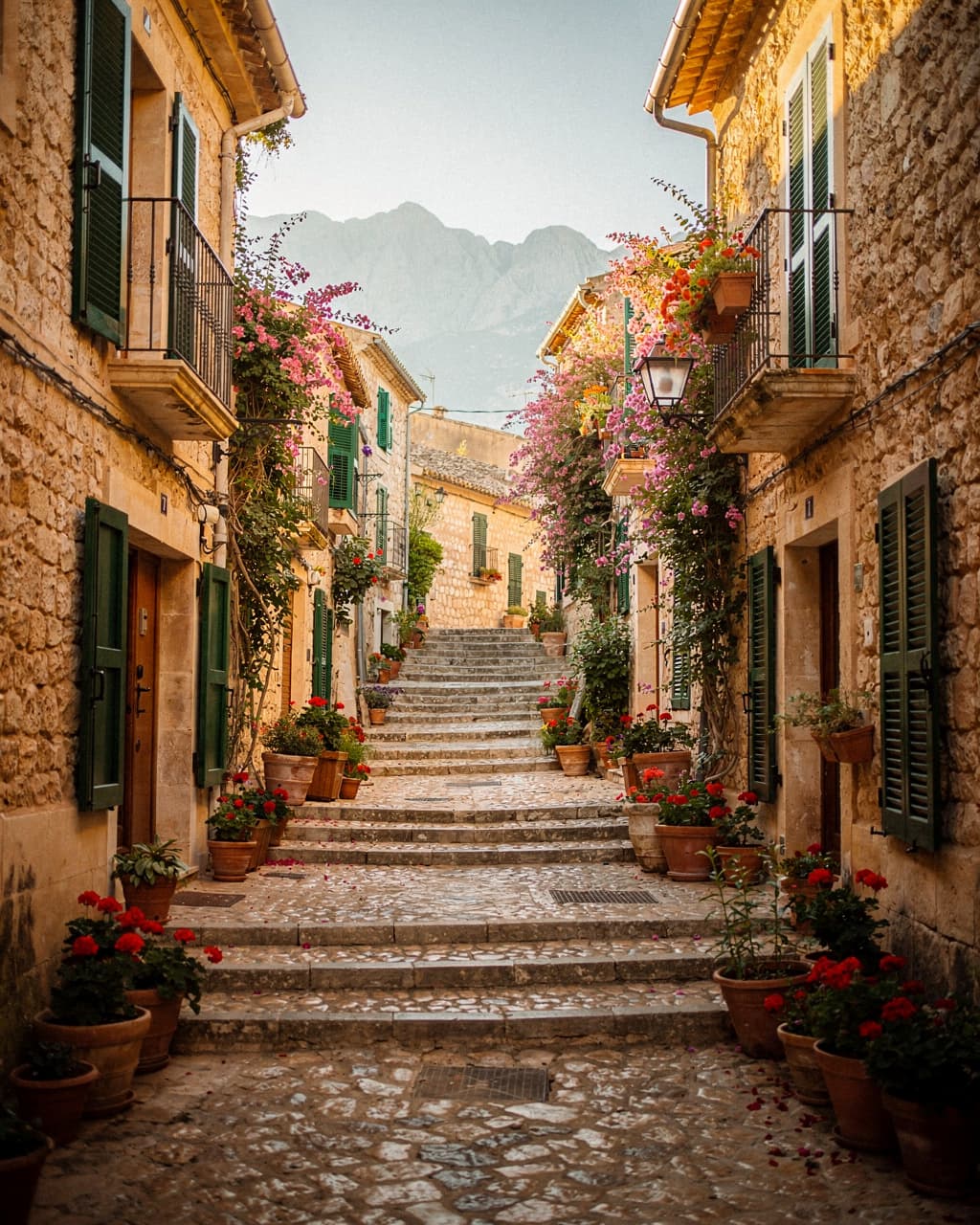 ✓
✓Fornalutx
One of the prettiest villages in Spain. Stone houses, green shutters, flowers on every corner. A few minutes from Sóller.
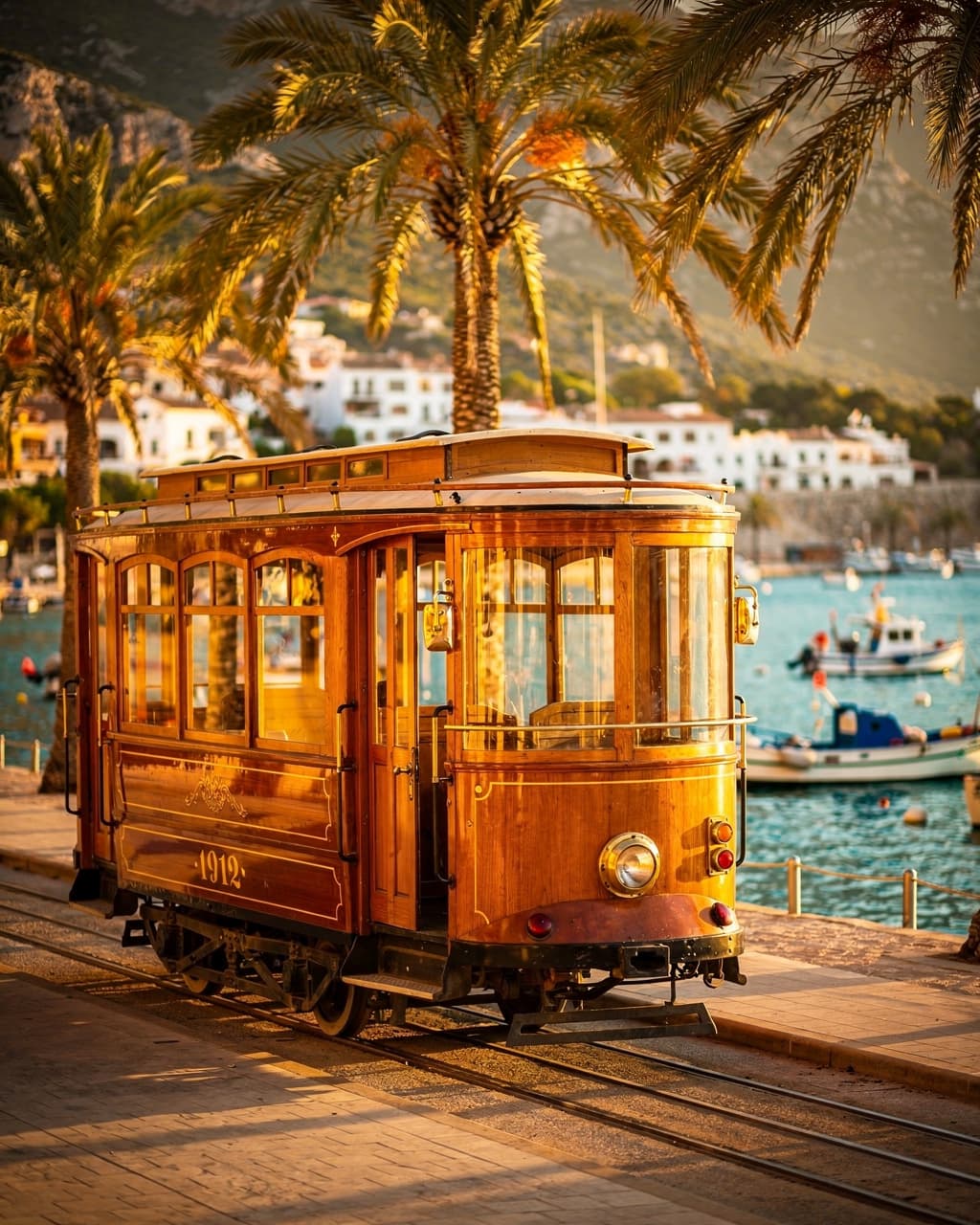 ✓
✓Port de Sóller
Sheltered bay on the west coast. Wooden train since 1912 from Palma, tram to the harbor, sunset at Cap Gros lighthouse.
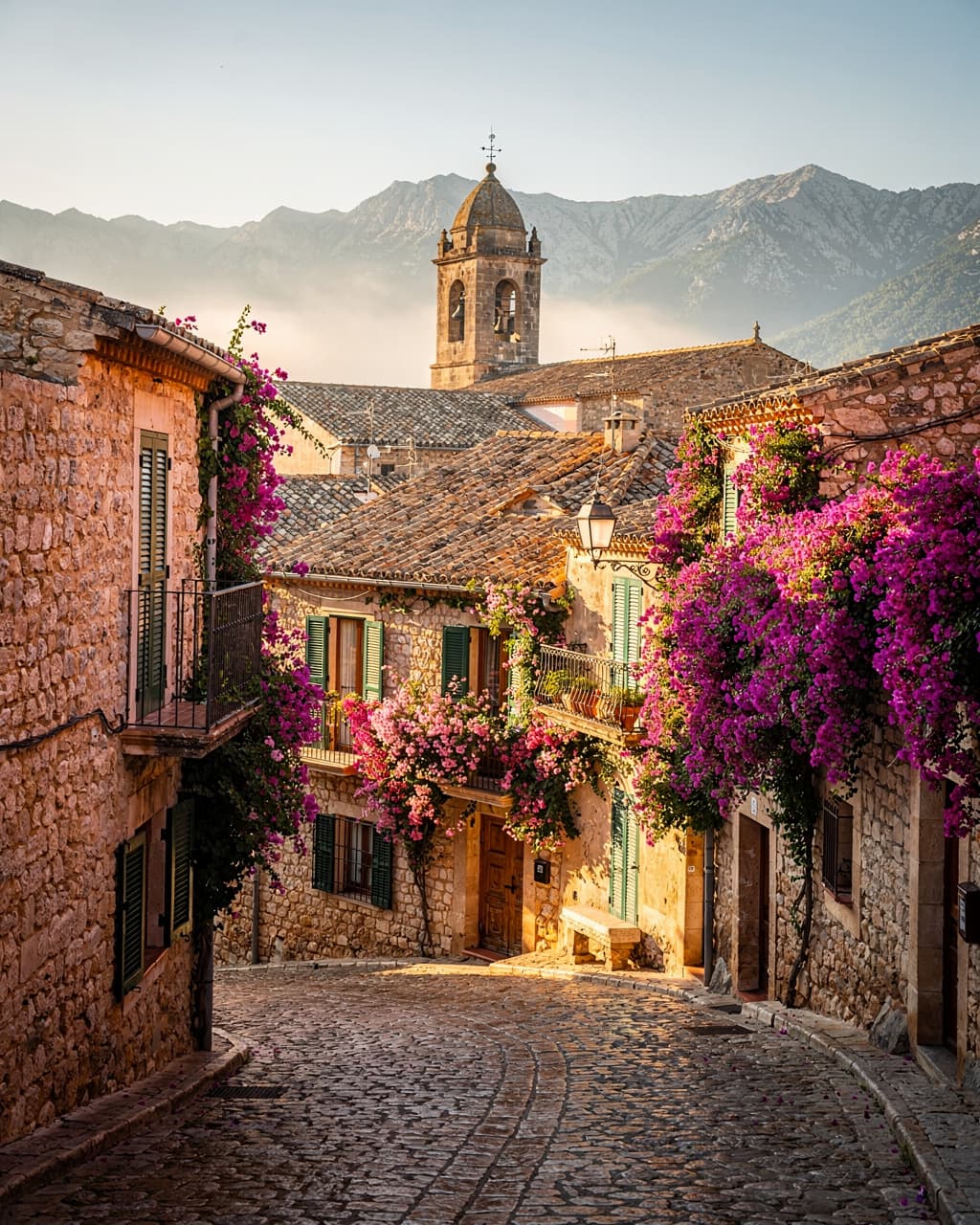 ✓
✓Valldemossa
Mountain village with Carthusian monastery where Chopin spent winter 1838/39. Touristy, but before 10 and after 18 completely different.
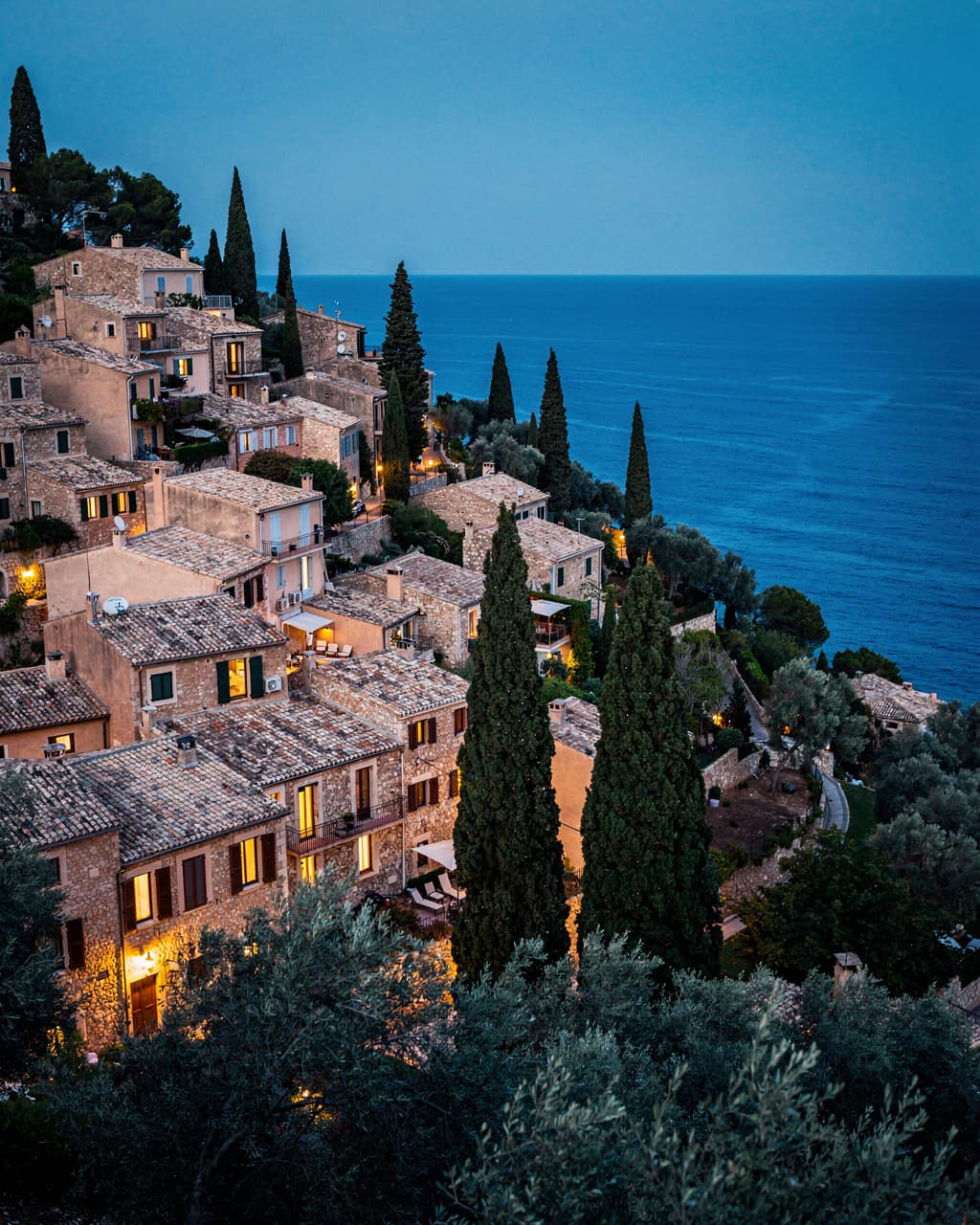 ✓
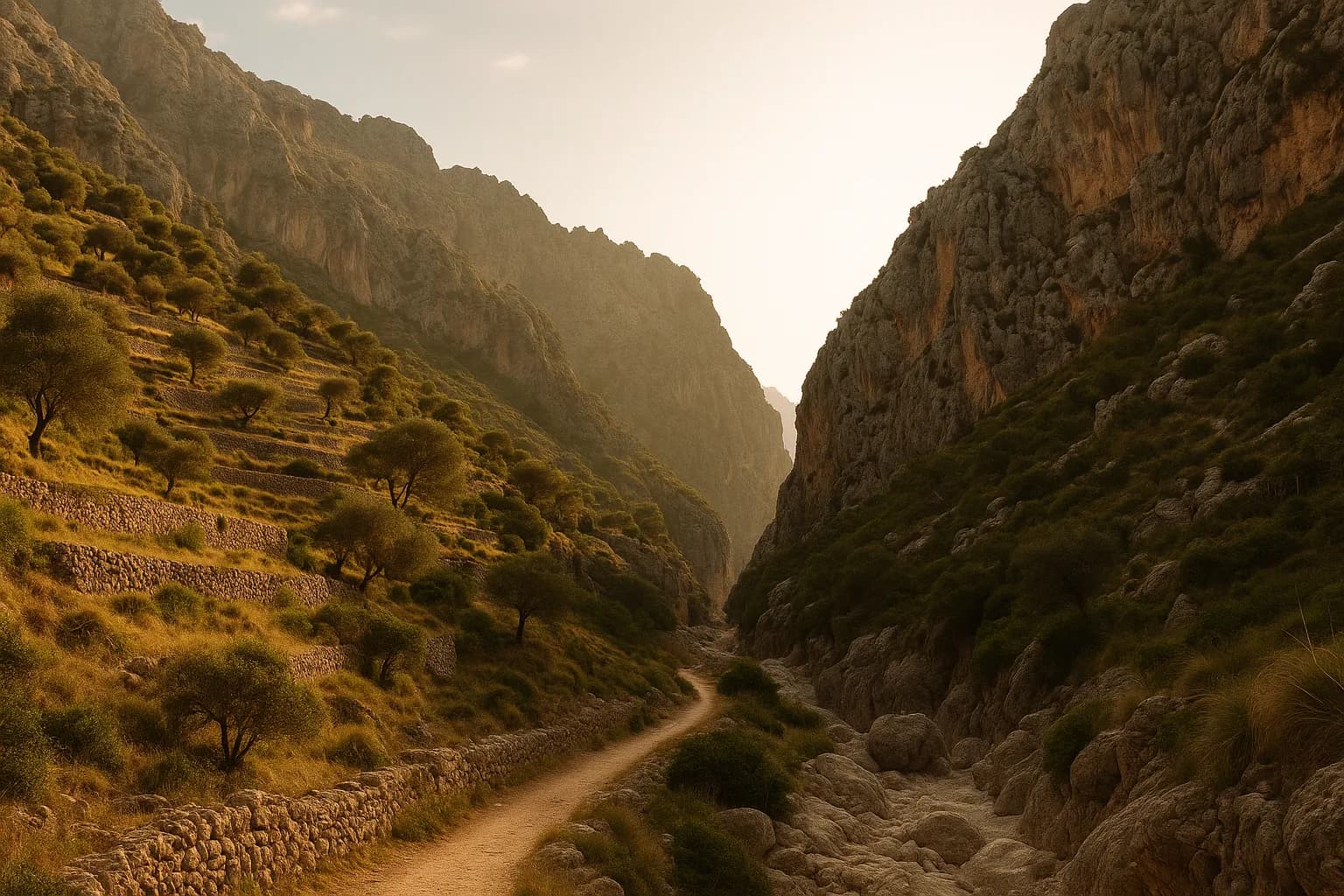
✓Deià
Artist village in the Tramuntana between Valldemossa and Sóller. Robert Graves lived here, today small galleries, expensive restaurants, steep path down to Cala Deià.
 ✓
✓Torrent de Pareis
Canyon hike through the deepest gorge in Mallorca. Ends at Sa Calobra cove. Demanding, no marked trail, proper footwear only.
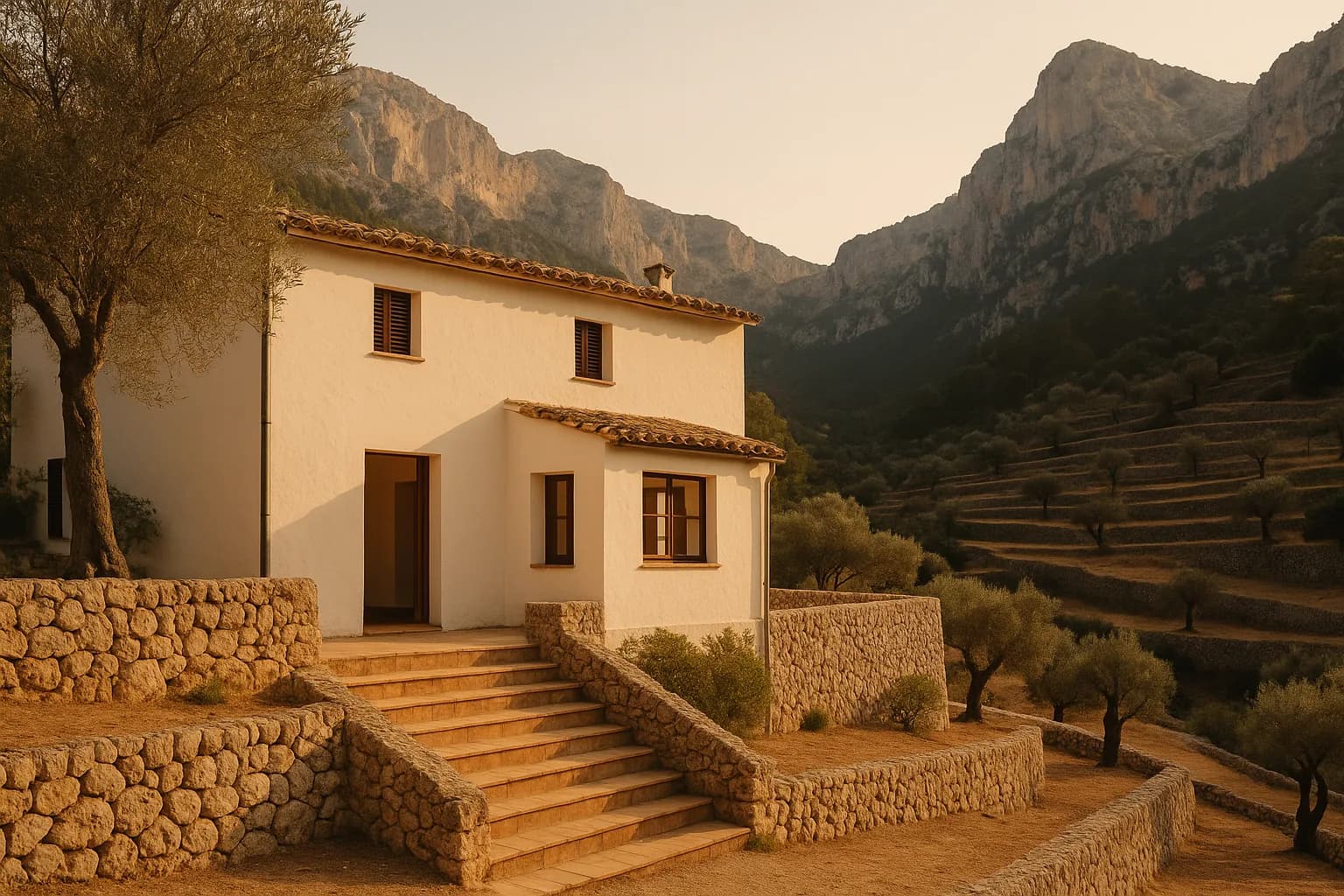
Ca n'Alluny, Robert Graves House
The house in Deià where Robert Graves wrote I, Claudius and lived until his death in 1985. Open as a museum since 2006. Original kitchen, library, study and a 1930s garden.
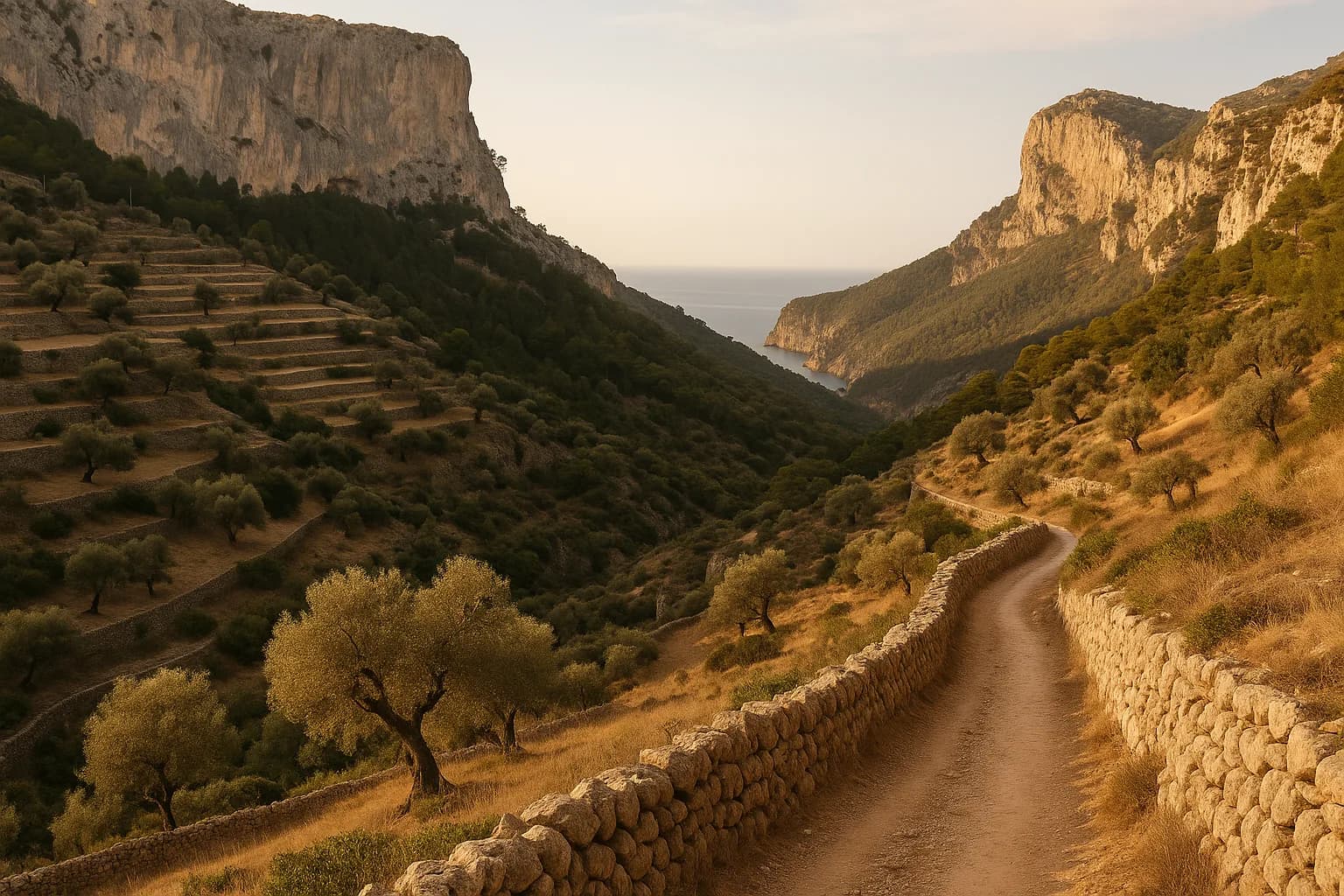
Cami de s'Arxiduc
A 19th-century ridge trail above Valldemossa and Deia, four to six hours along the Teix cliff edge with the sea two kilometers below.
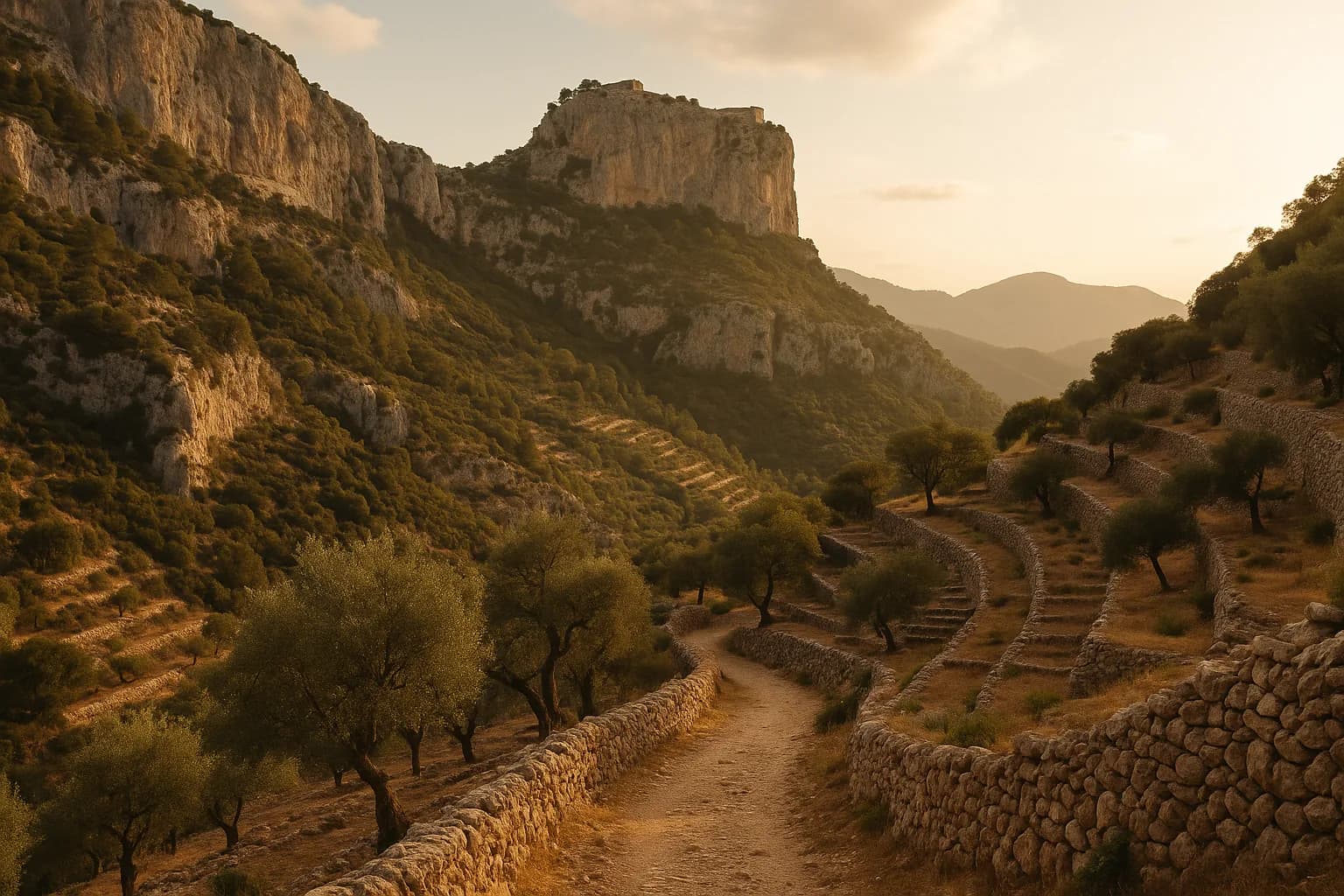
Castell d'Alaro
A ruined hilltop castle at 822 meters reached by a 45-minute hike from the Es Verger restaurant. Two flights of stone steps cut through a rock gate near the summit.
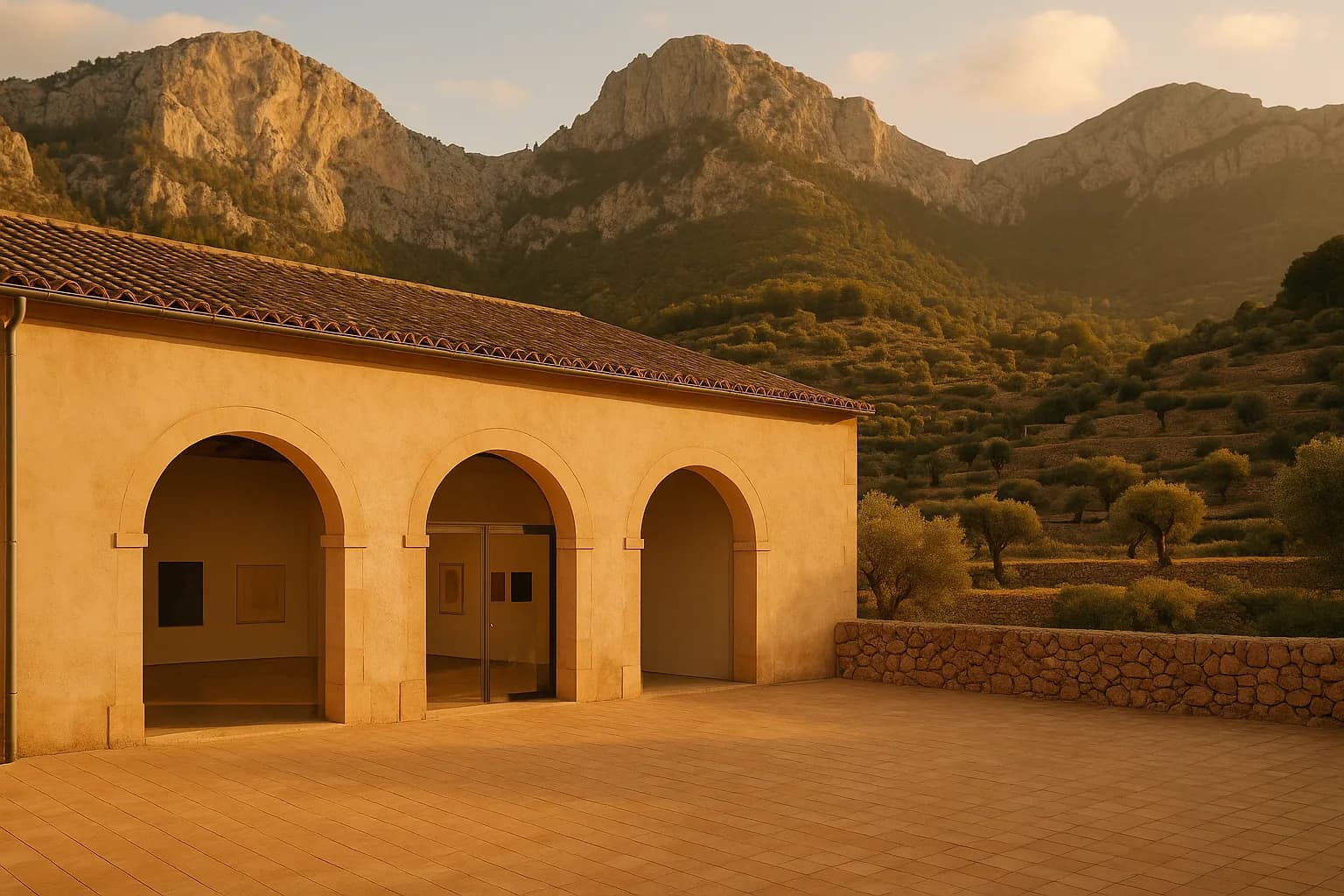
CCA Andratx Kunsthalle
Mallorca's largest contemporary art Kunsthalle, opened 2001 in Sa Coma above Andratx by Danish gallerists. Three to four shows a year, a residency programme, restaurant, bookshop.
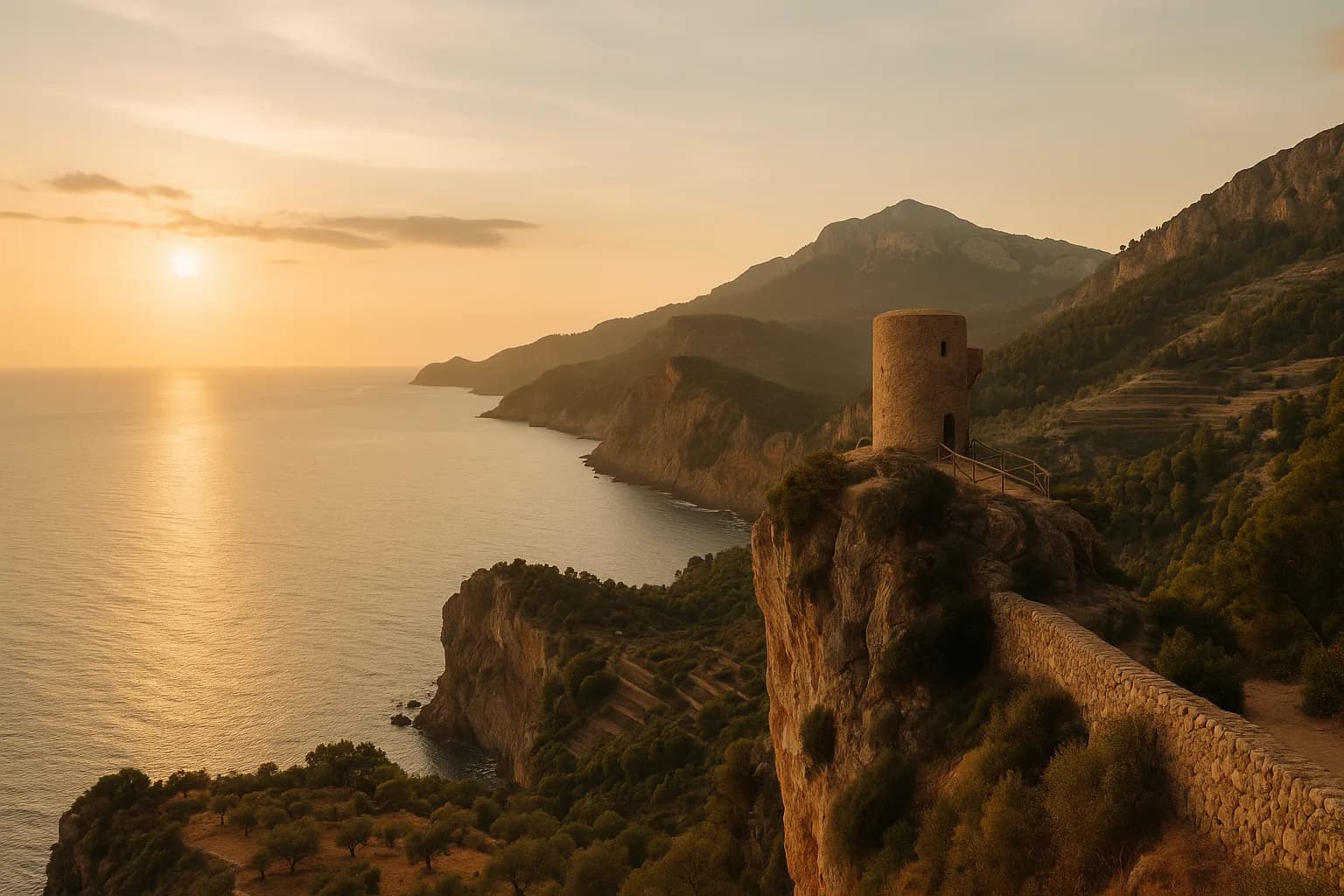
Mirador de Ses Animes (Torre del Verger)
A 1579 watchtower on the Ma-10 above Banyalbufar, 250 meters above the sea. Climb a short stone stair to the top platform for the west coast in both directions.
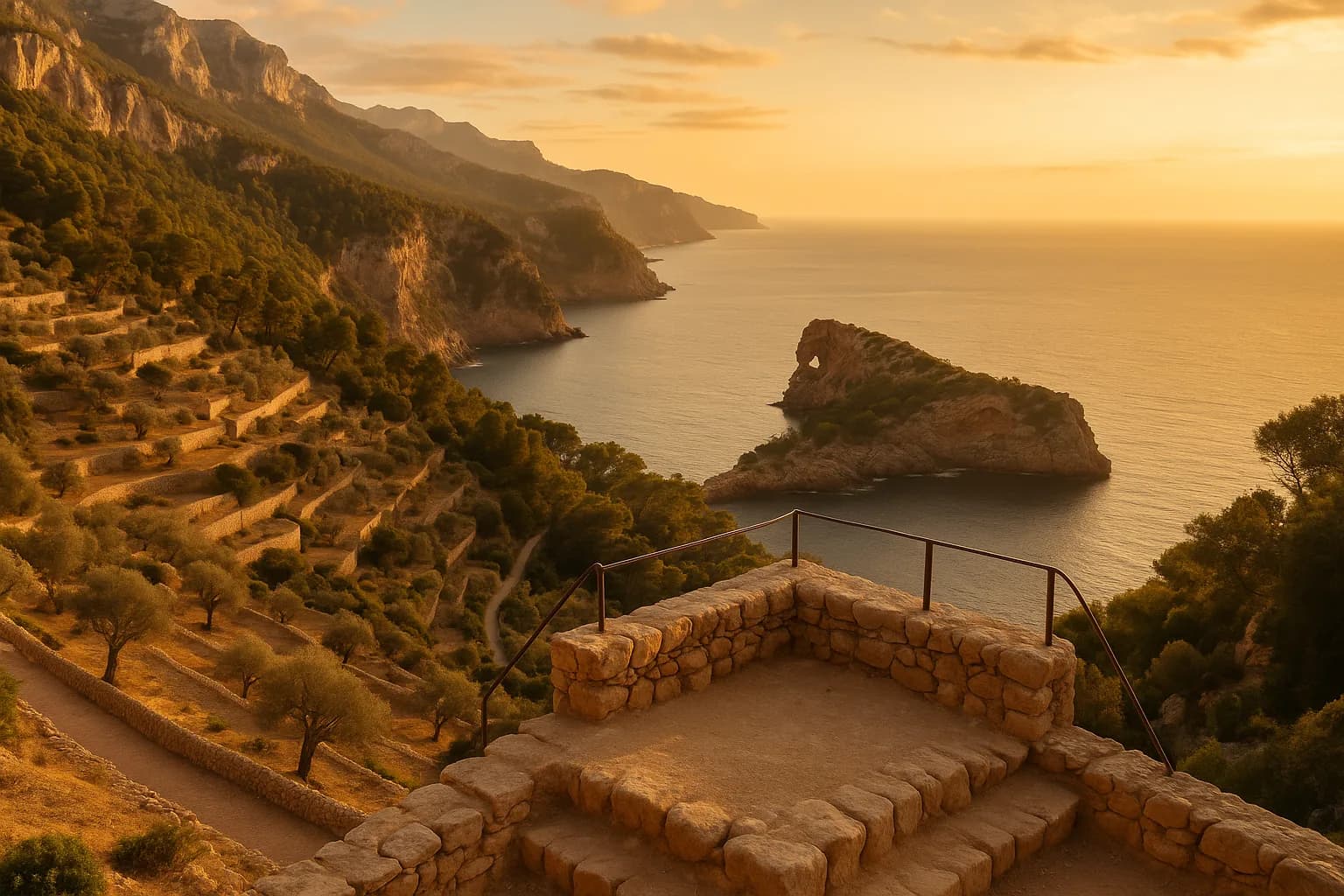
Mirador Sa Foradada
The headland south of Deia with an 18-meter hole in its tip, reached by a steep track from the Son Marroig estate on the Ma-10.
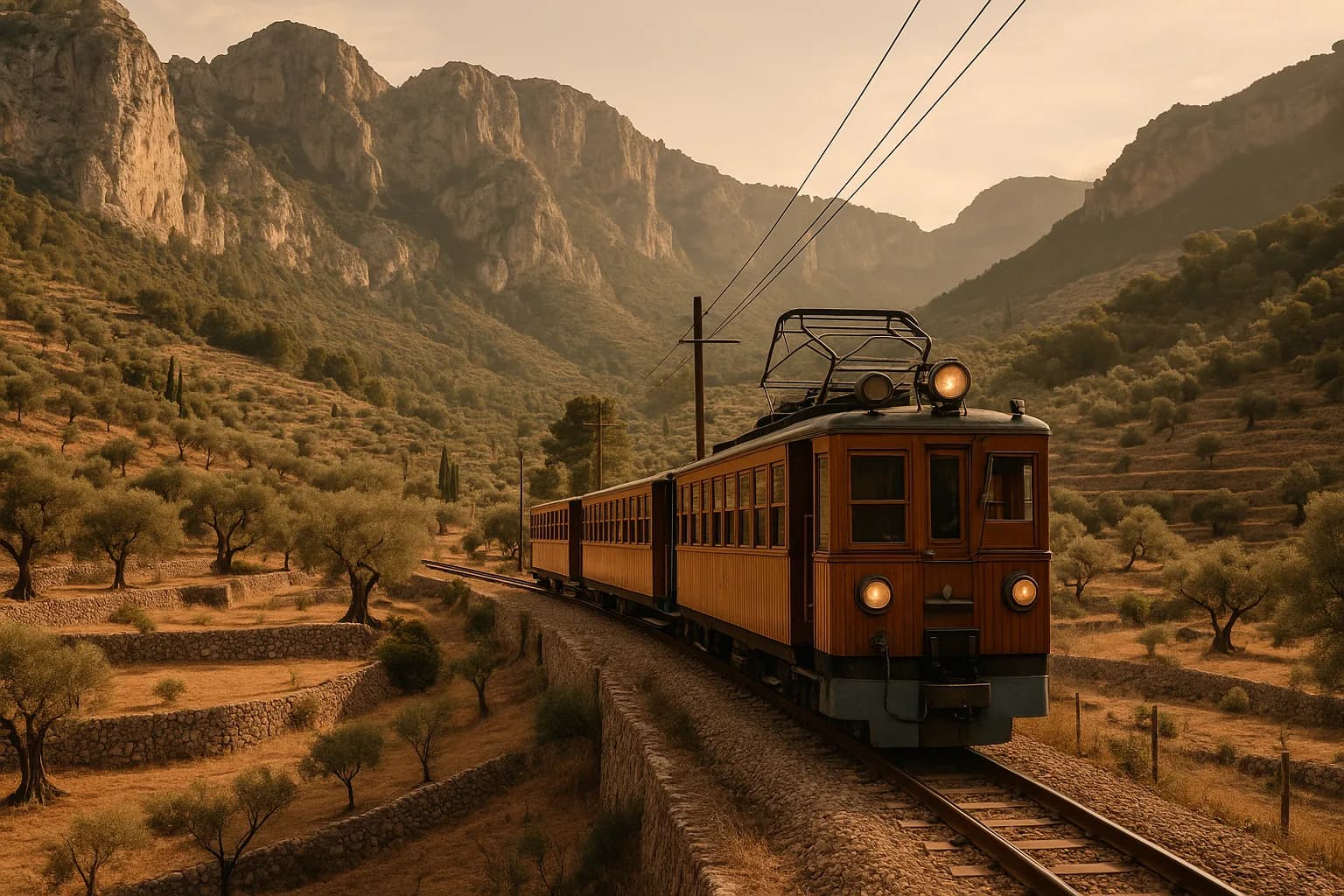
Tren de Sóller
A 1912 narrow-gauge wooden train from Palma to Sóller, 27 km, 13 tunnels, original brass and varnish.
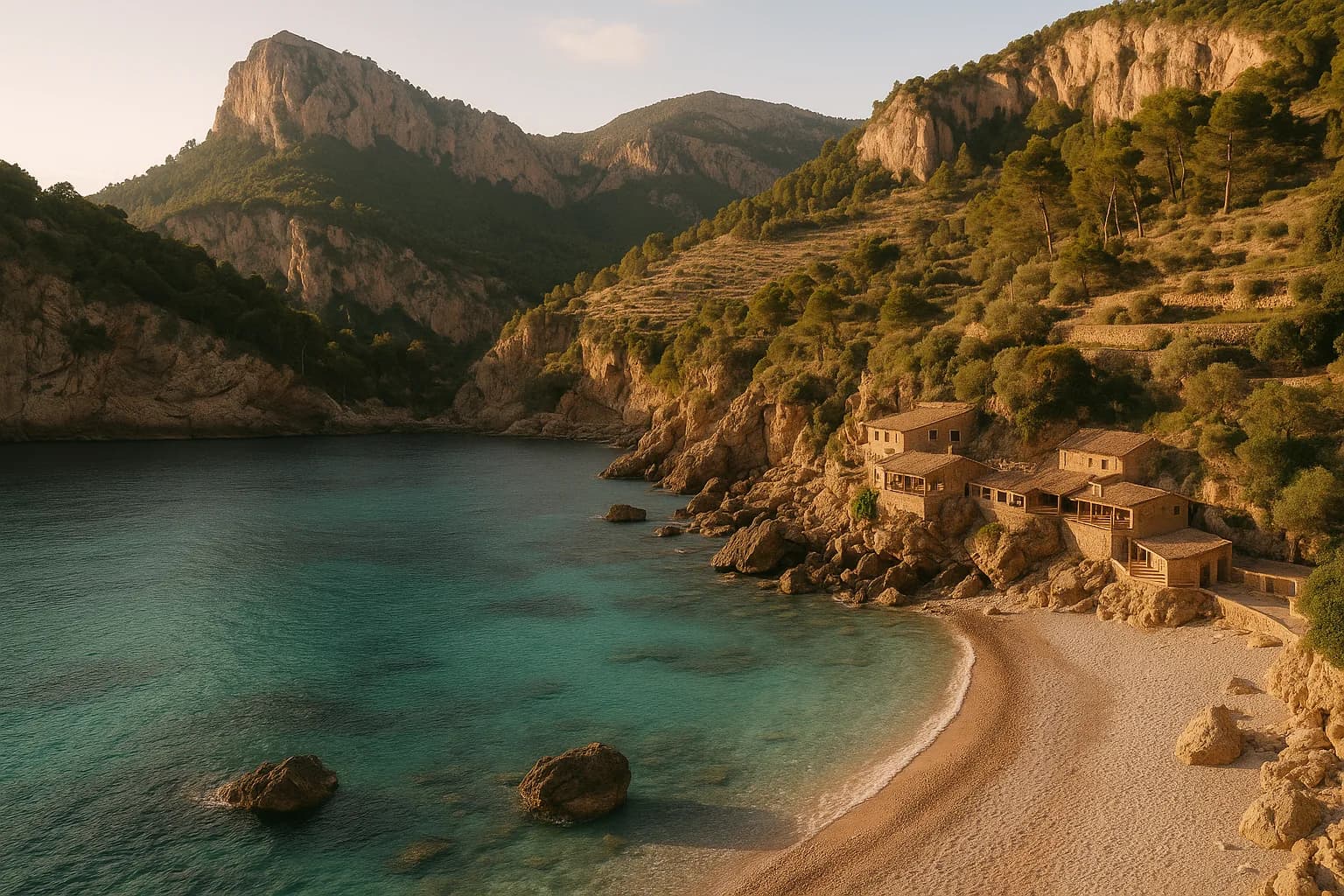 ✓
✓Cala Deià
Small rocky cove below Deià. About 70 m long, clear water, no sand, pebbles and rock. Steep access from the parking lot, not stroller-friendly. Safe with kids from age 5. Two restaurants, one of them the famous Ca's Patró March.
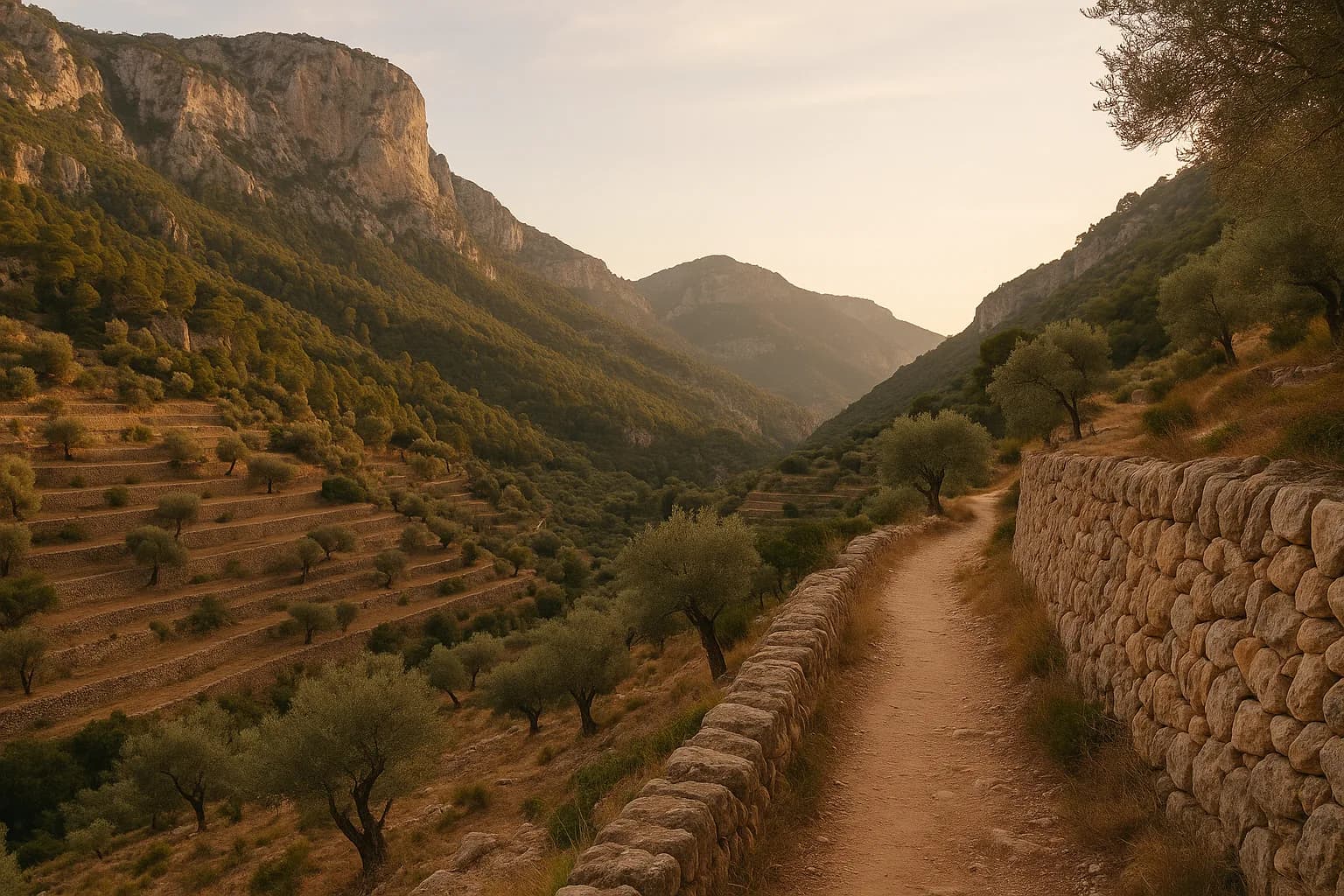 ✓
✓Camí de s'Escolta (Valldemossa)
Old panorama path above Valldemossa with several west-coast viewpoints. Short loop, little climbing, holm oak forest with boulders kids can scramble on. Family-friendly, doable even with 4-year-olds.
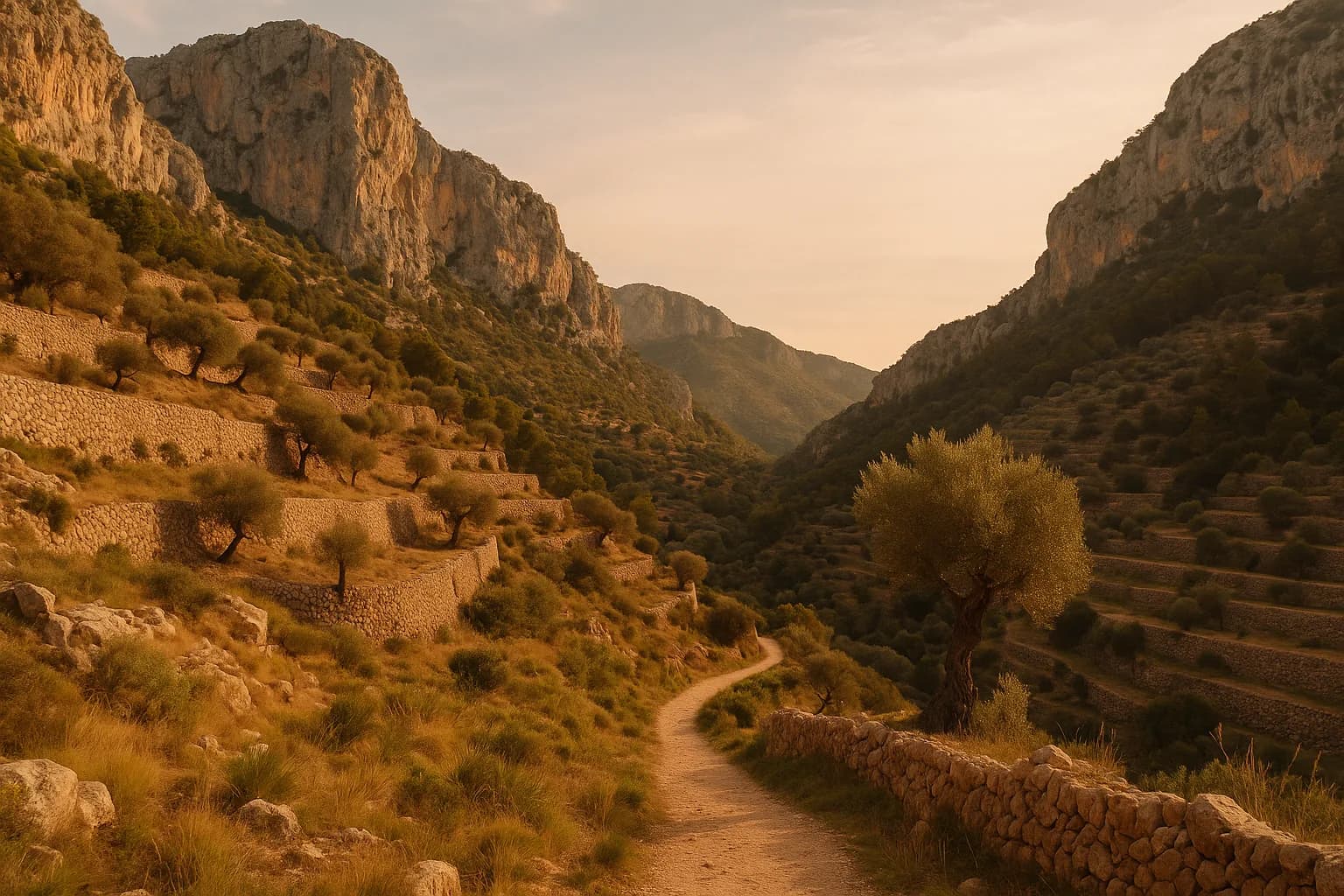
Coll de Sóller (mountain pass)
Old mountain pass between Palma and Sóller, today almost exclusively used by road cyclists because the tunnel takes the car traffic. Around 50 hairpins across both sides. One of the most famous cycling roads on the island.
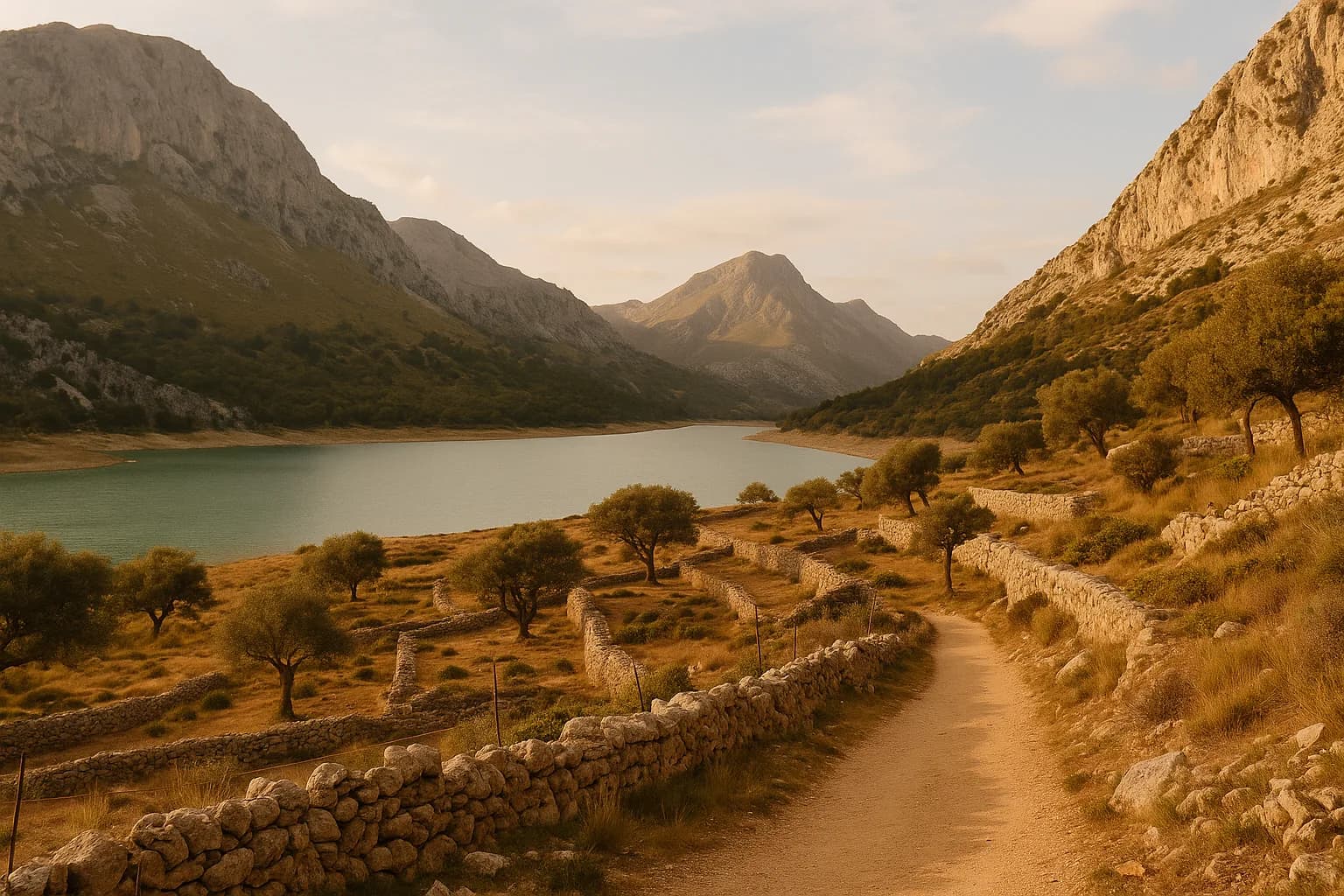 ✓
✓Cúber Reservoir
Flat loop around the reservoir at about 750 m altitude. Roughly 5 km, almost no climbing, donkeys and sheep along the way. The easiest Tramuntana hike with kids.
North
9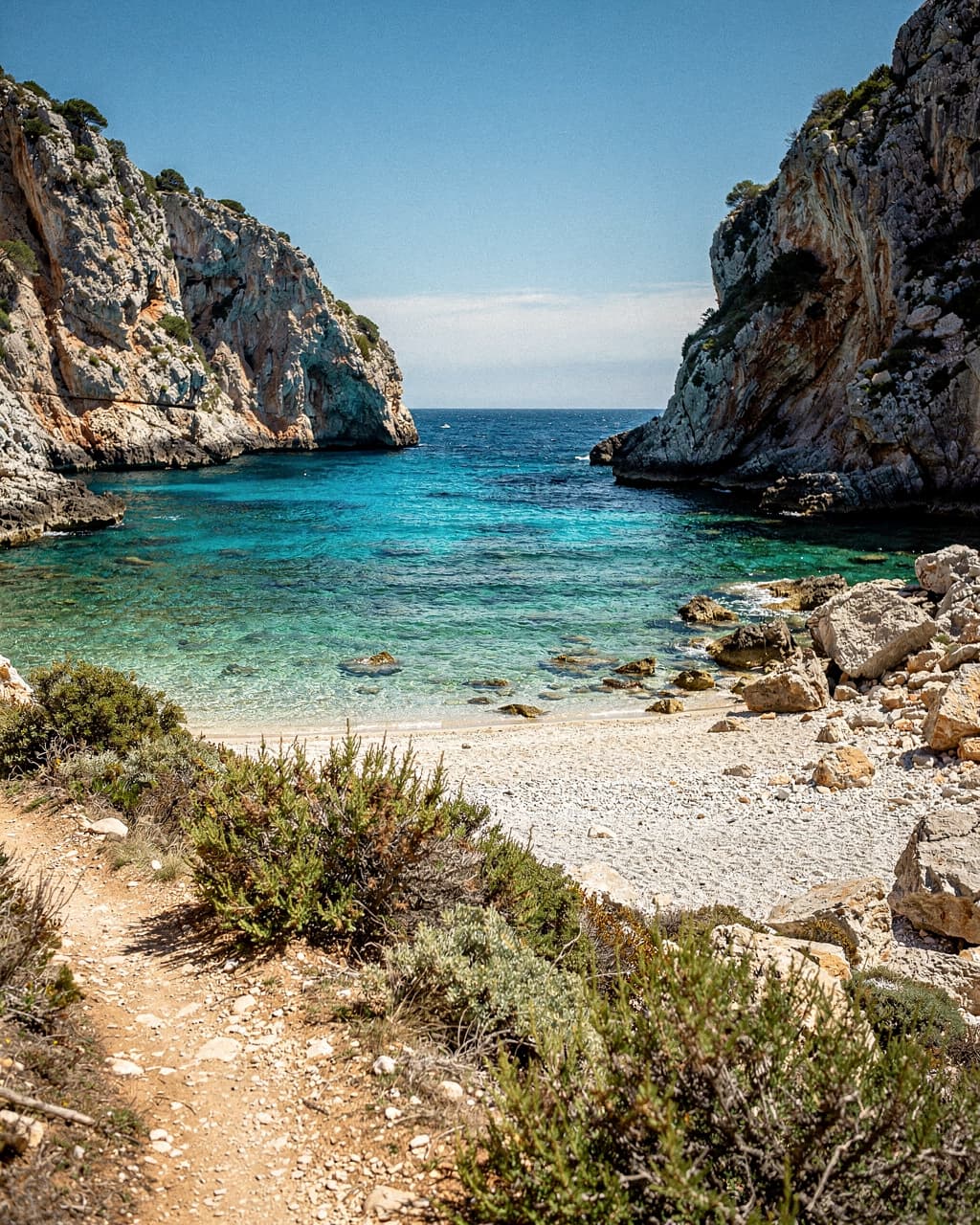 ✓
✓Cala Bóquer
Hidden pebble cove between limestone cliffs. Only reachable on foot, 45 minutes from Port de Pollença. No kiosk, no shade.
Pollença & El Calvari
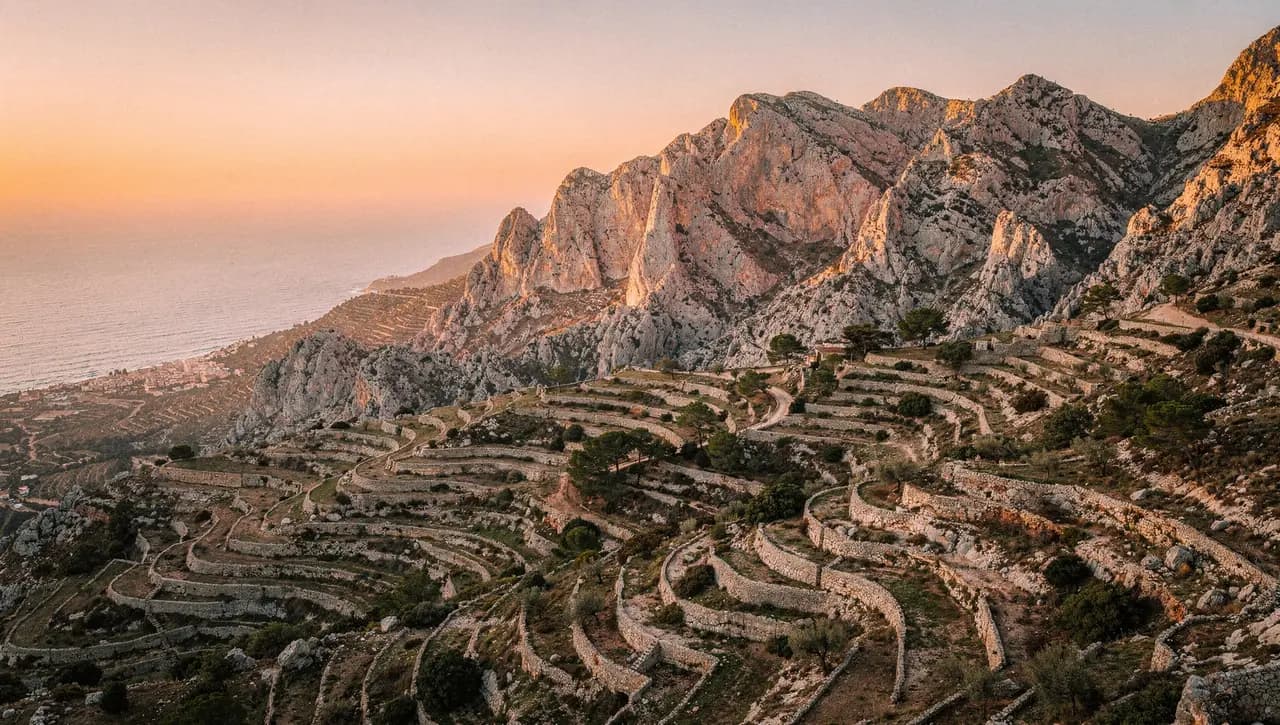
Old town at the foot of the Tramuntana with the famous Calvari staircase, 365 stone steps up to the chapel. No beach bustle, an artists' feel.
Cala Sant Vicenç
Four small coves beneath the 300-meter Cavall Bernat ridge, between Pollença and the harbor. Clear water, good for snorkeling, quiet outside high summer.
Ermita de la Victòria
Fortified hermitage from 1679 on the Cap des Pinar peninsula near Alcúdia. Panorama terrace over two bays, start point for the climb up the Talaia d'Alcúdia.
 ✓
✓Cap de Formentor
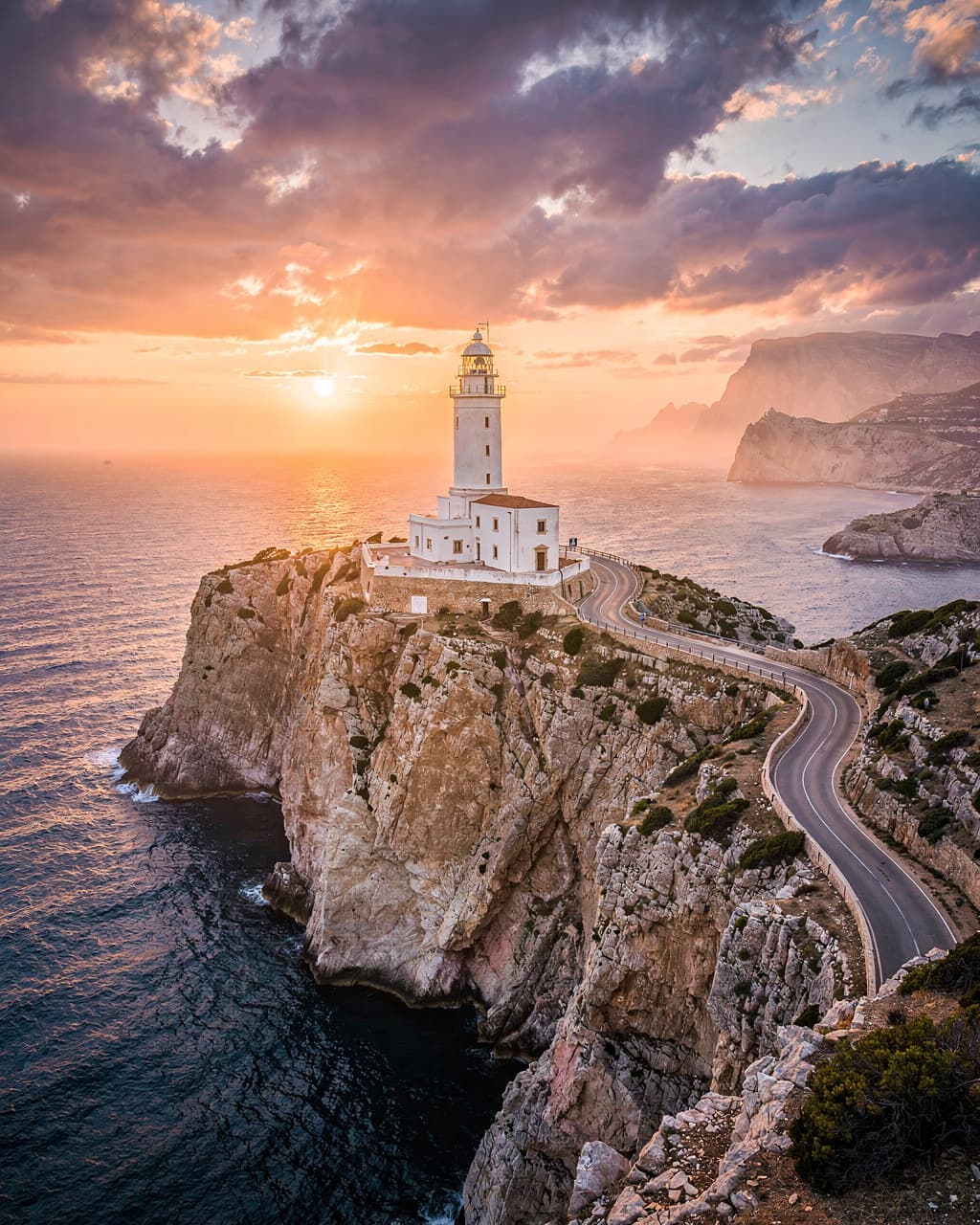
Lighthouse at the northernmost tip of the island. Serpentine road with viewpoints. Since 2026 only accessible by bus in summer.
 ✓
✓Alcúdia Old Town
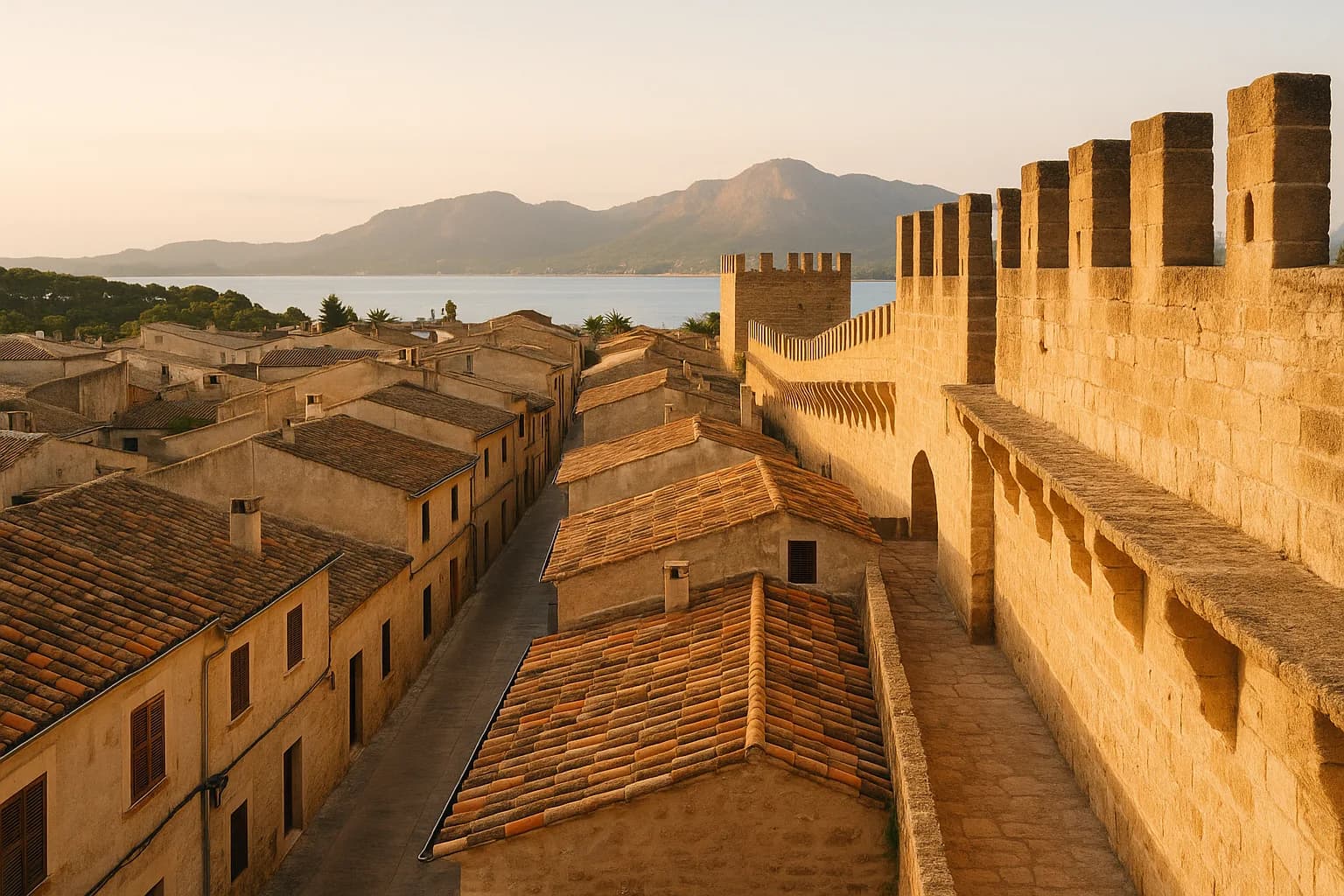
Medieval town wall fully walkable, Tuesday and Sunday market, Roman ruins of Pollentia right next door.
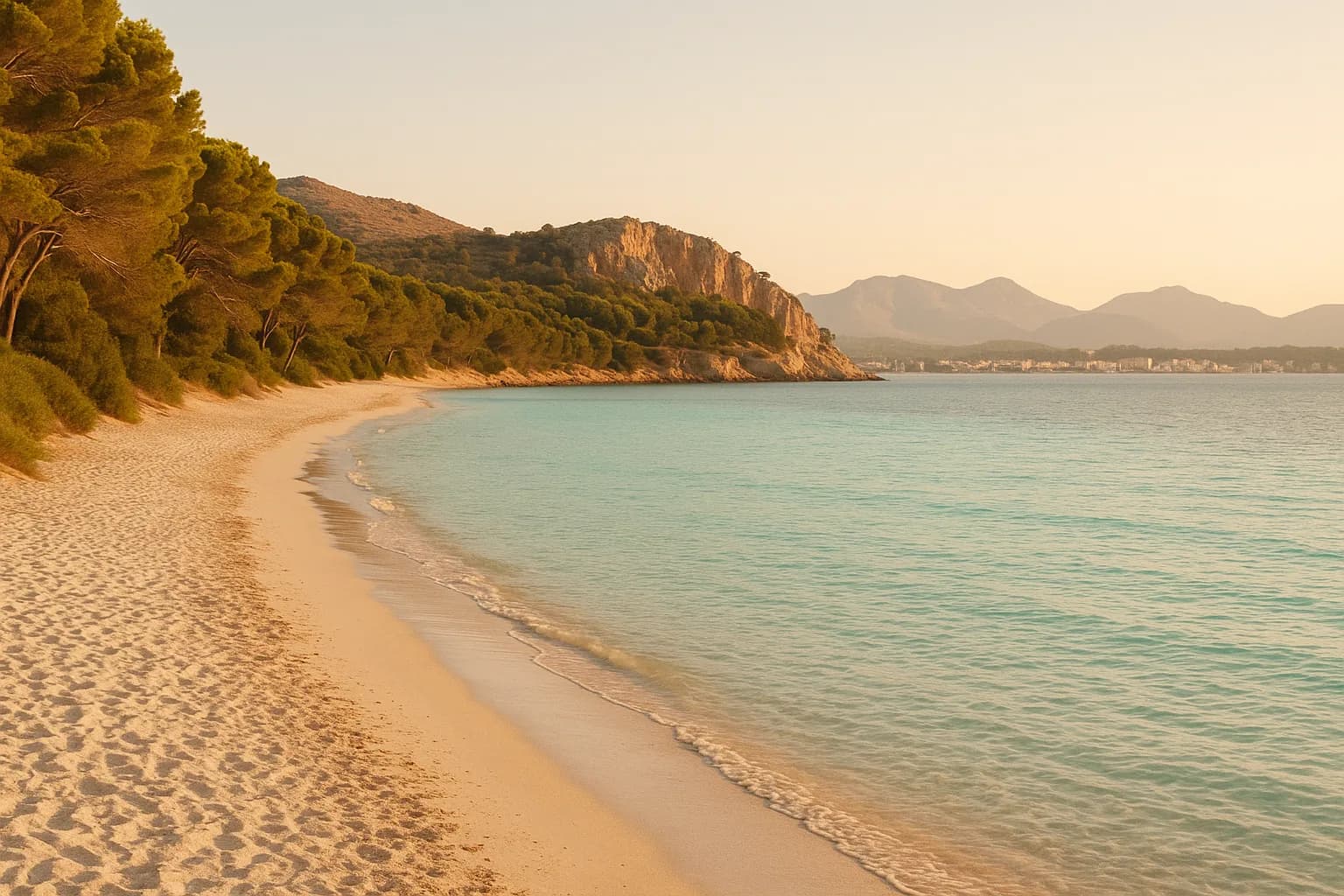 ✓
✓Playa de Muro
Six kilometers of fine white sand on the northern edge of Alcúdia bay. Shallow water, pine forest behind, perfect for families.
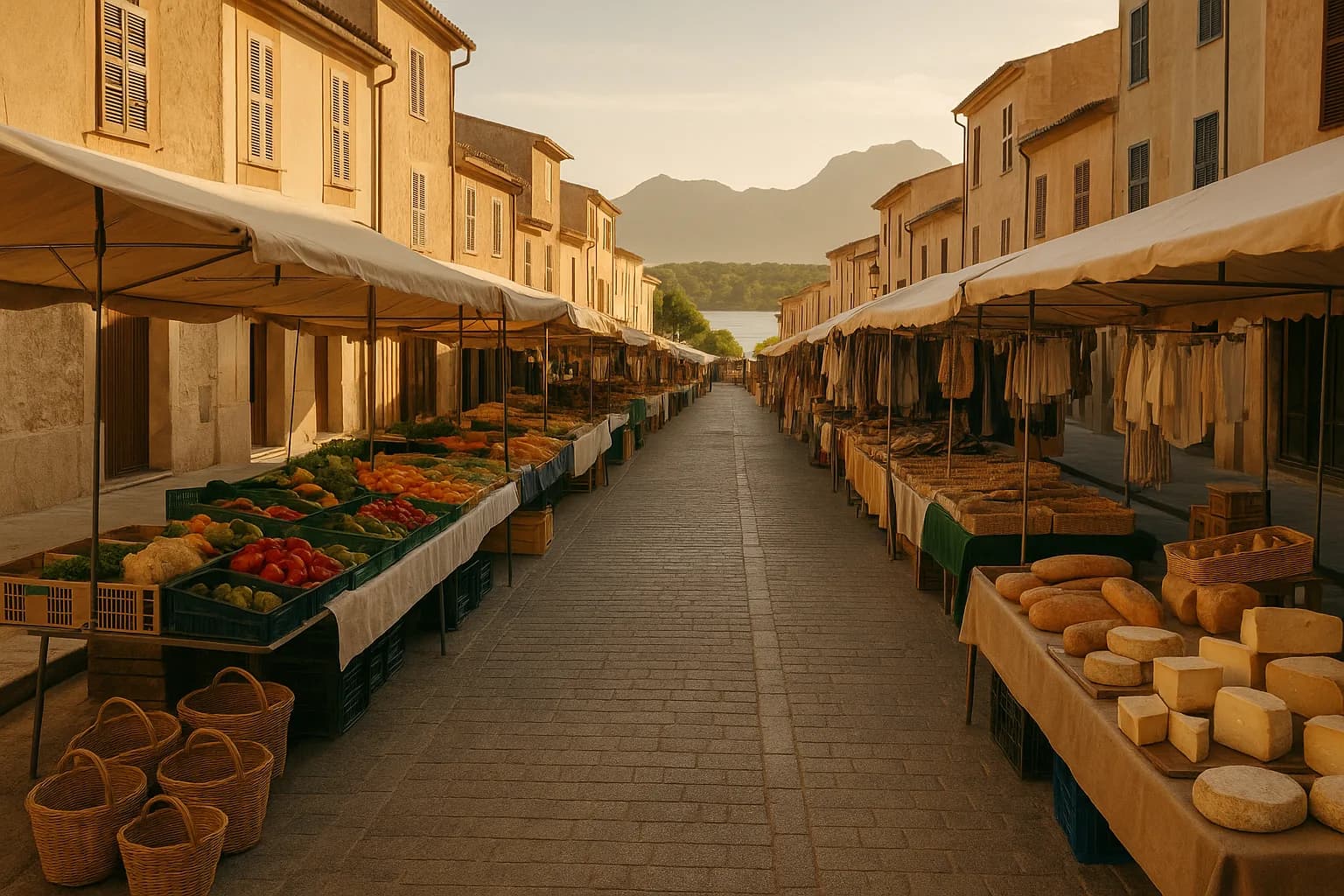
Pollença Sunday Market
Three hundred stalls fill Plaça Major and the surrounding streets every Sunday from 8am to 1:30pm.
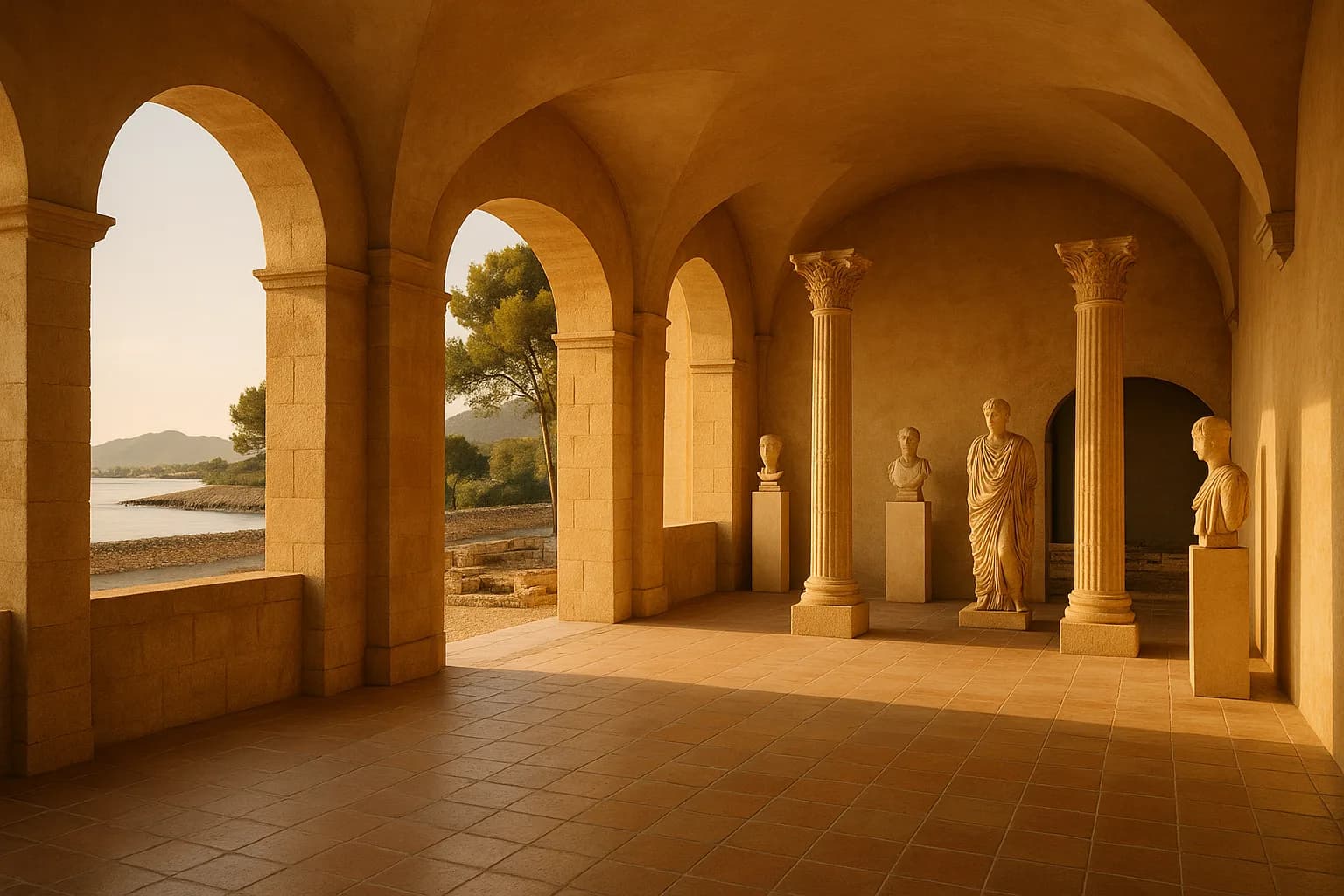
Pollentia, Roman City and Museum
Roman city founded 123 BC south of Alcúdia. Forum, residential quarter, theatre cut into rock, plus a small monographic museum in town with the finds.
East
7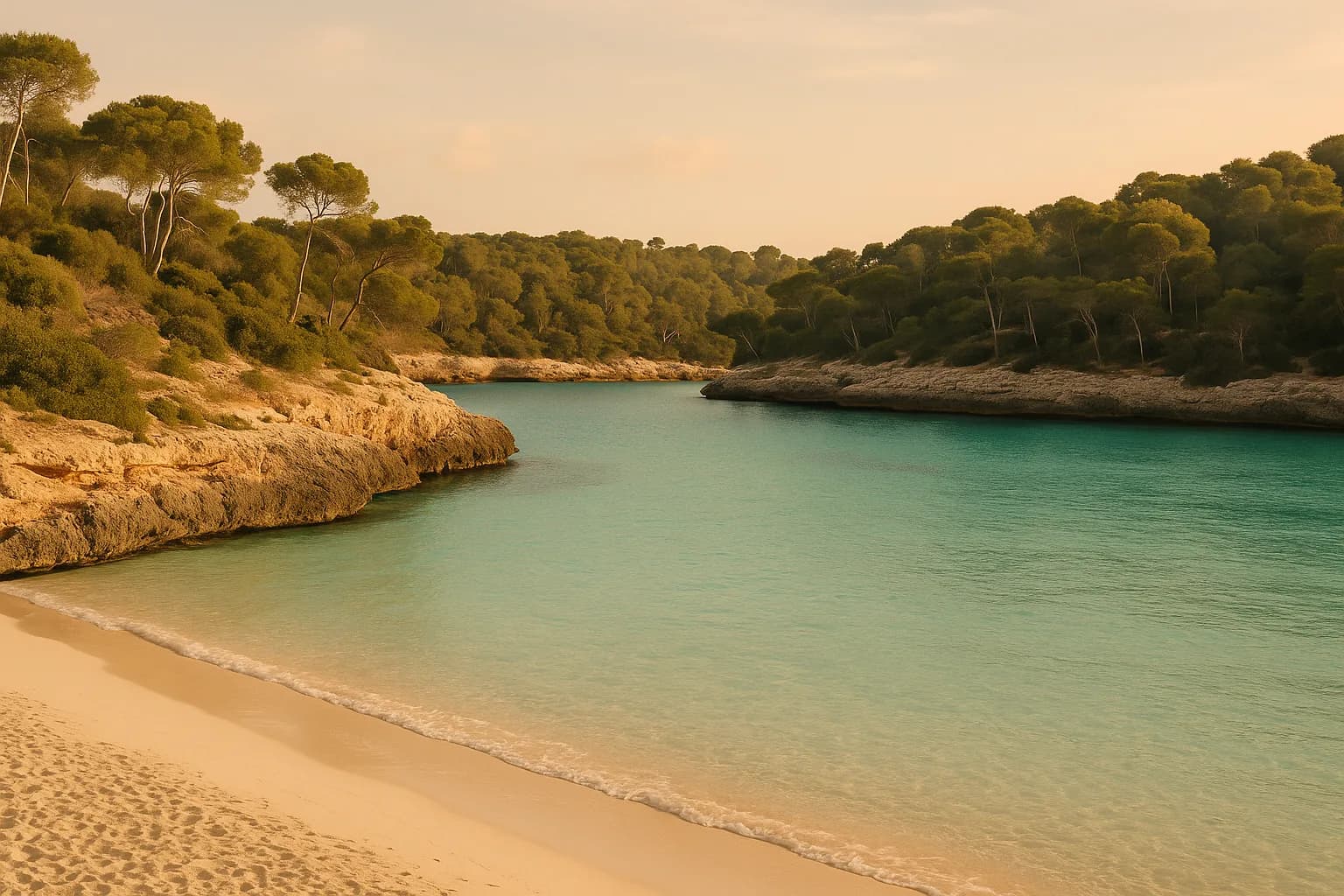 ✓
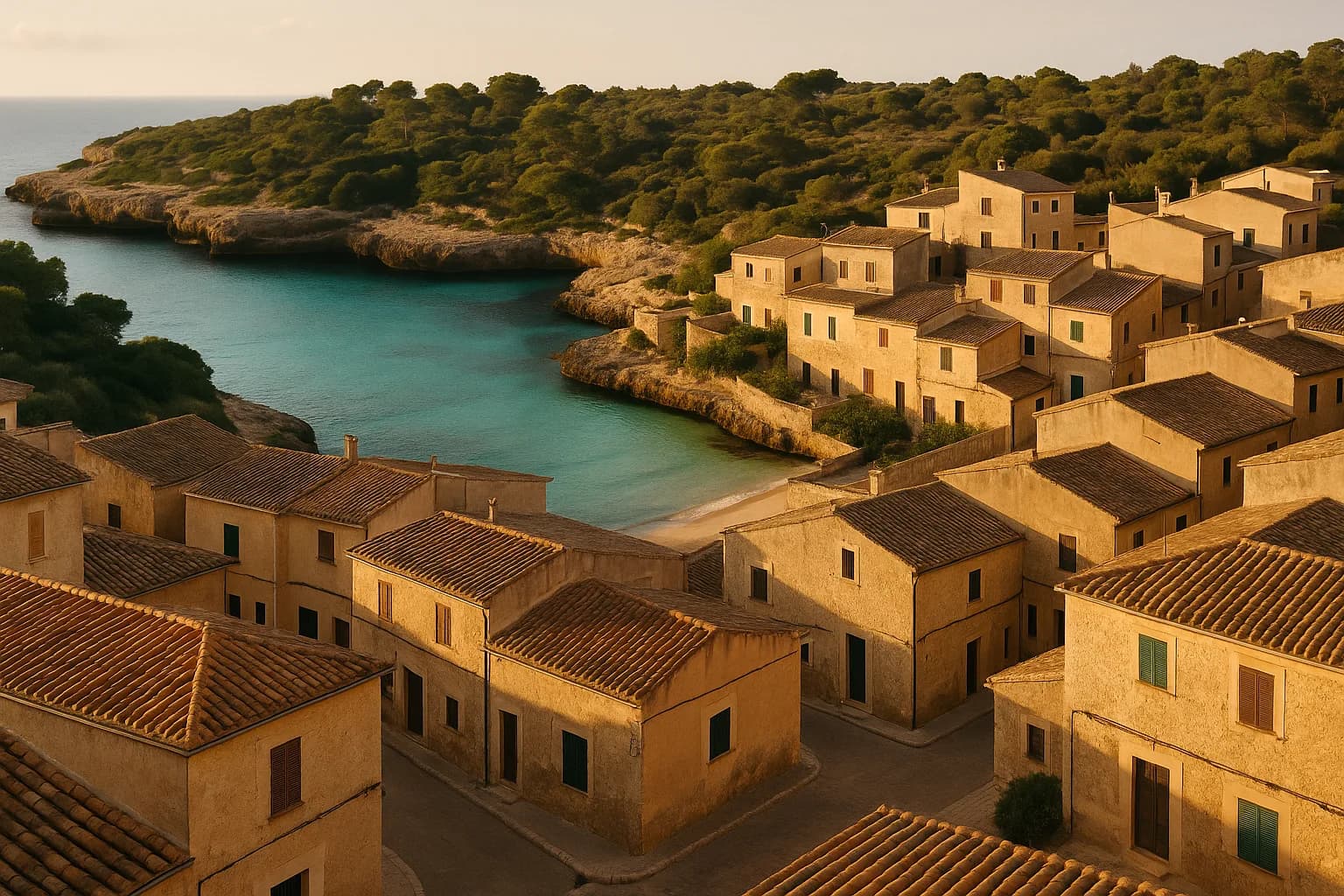
✓Cala Mondragó
Nature reserve with two connected coves in the east. Shallow turquoise water, pine forest to the beach, hiking paths through the rocks.
 ✓
✓Felanitx
Wine town in the east with Sunday market, good wineries, and the Sant Salvador monastery up on the hill.
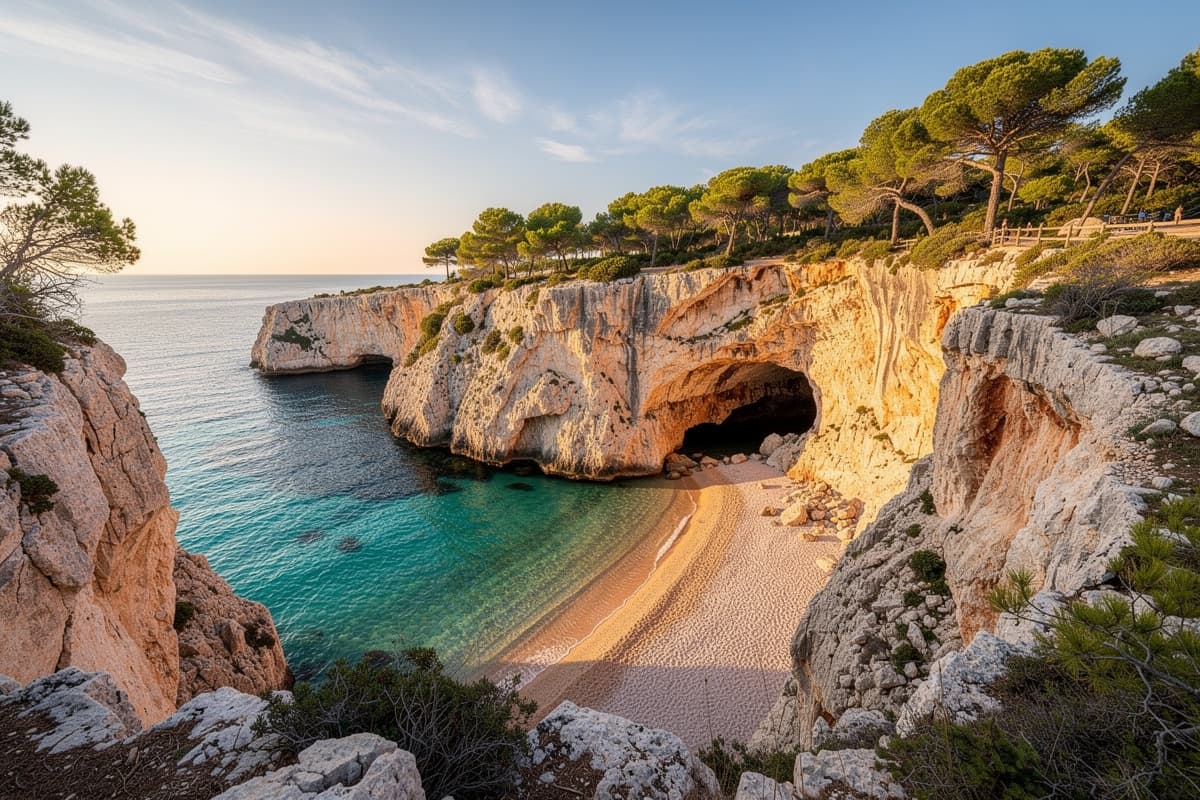 ✓
✓Cala Varques
Wild cove on the east coast, only reachable on foot. No infrastructure, cave for diving, turquoise water between cliffs.
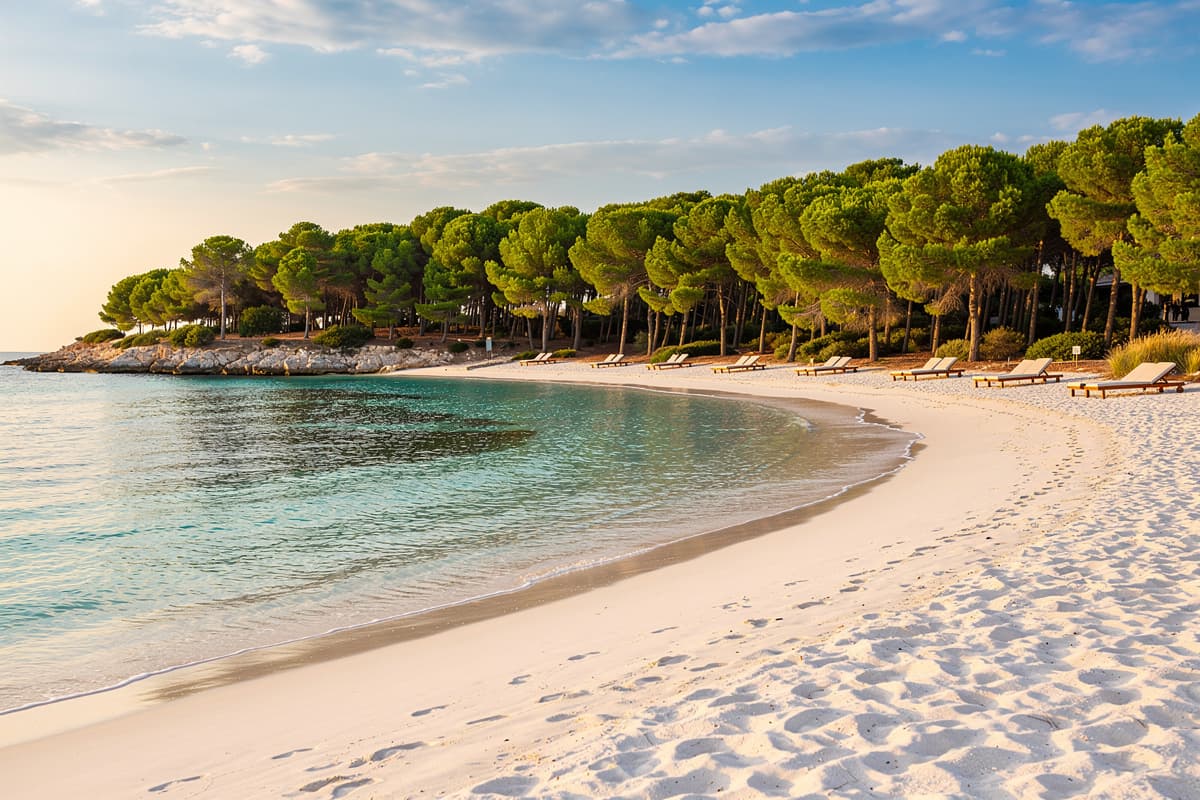 ✓
✓Cala Agulla
Wide sandy cove near Cala Ratjada in the northeast. Fine sand, pine forest to the beach, shallow water. Nature reserve.
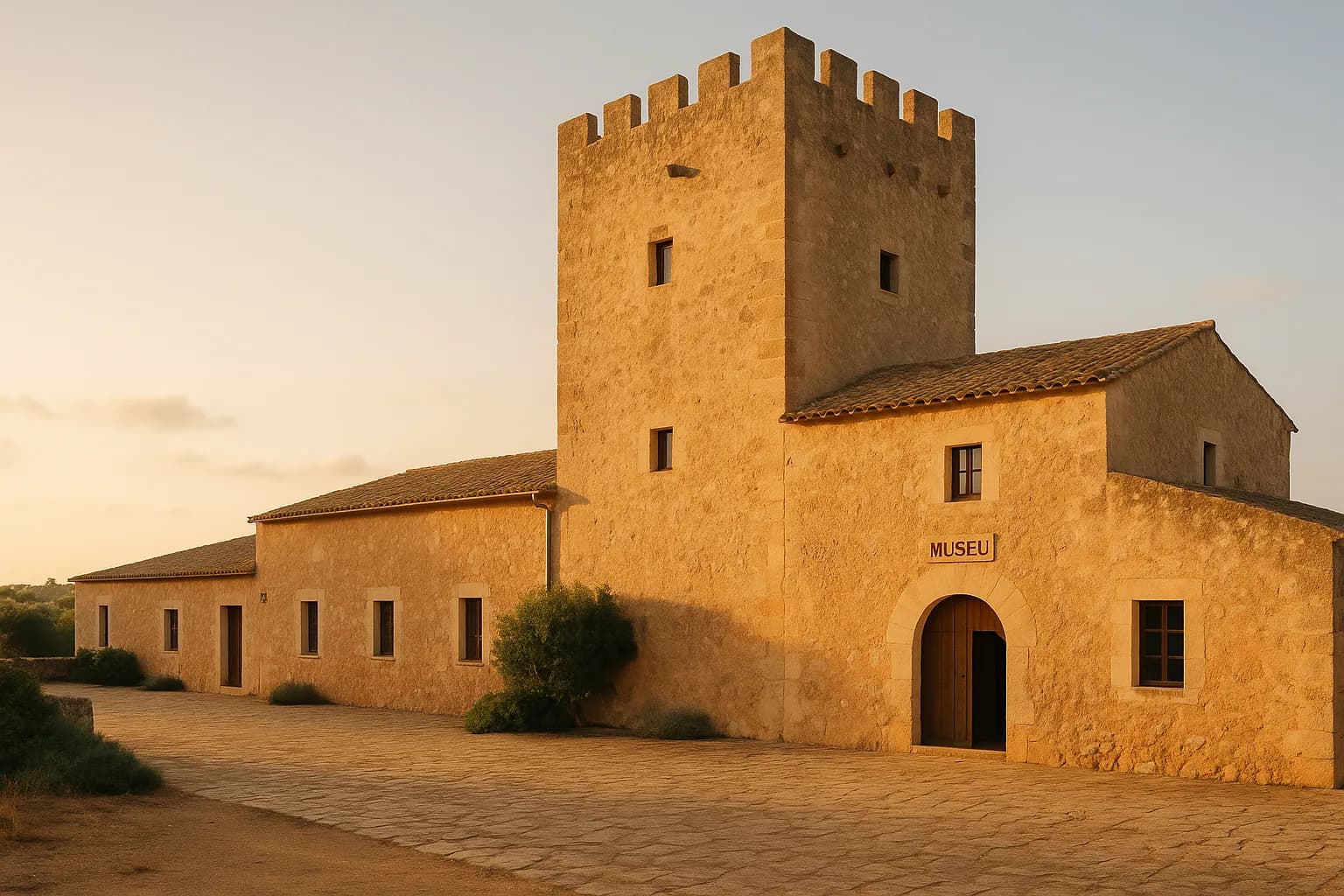
Museu d'Història de Manacor, Torre dels Enagistes
A thirteenth-century fortified tower outside Manacor, museum since 1985. Prehistoric, Roman, early-Christian and Islamic Mallorca in four small rooms, talayotic ceramics, a complete basilica mosaic.
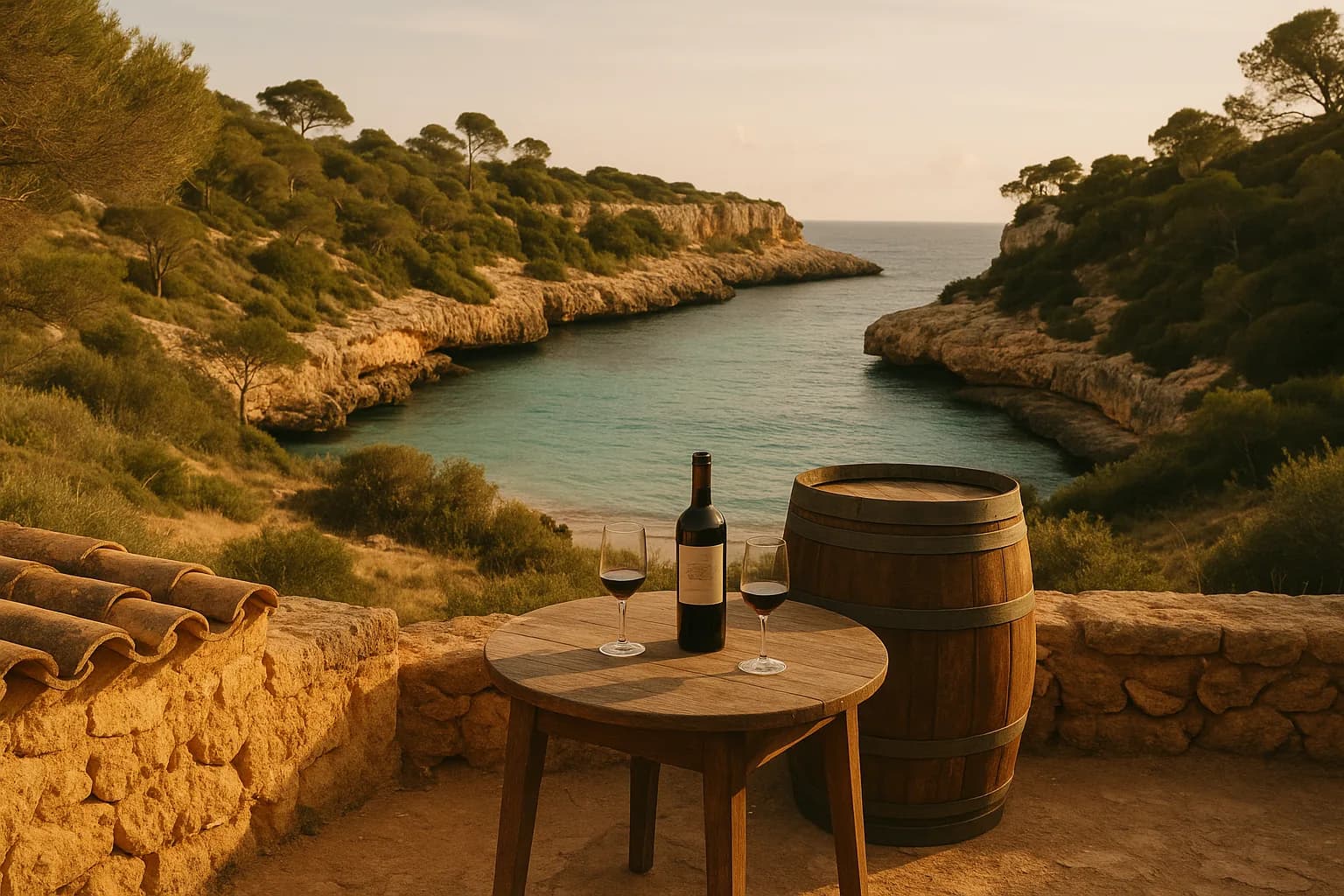
Bodega Ànima Negra (Felanitx)
Notable winery near Felanitx, founded in 1994, one of the pioneers for the indigenous Callet grape. Organic-leaning practice, tastings by appointment only.
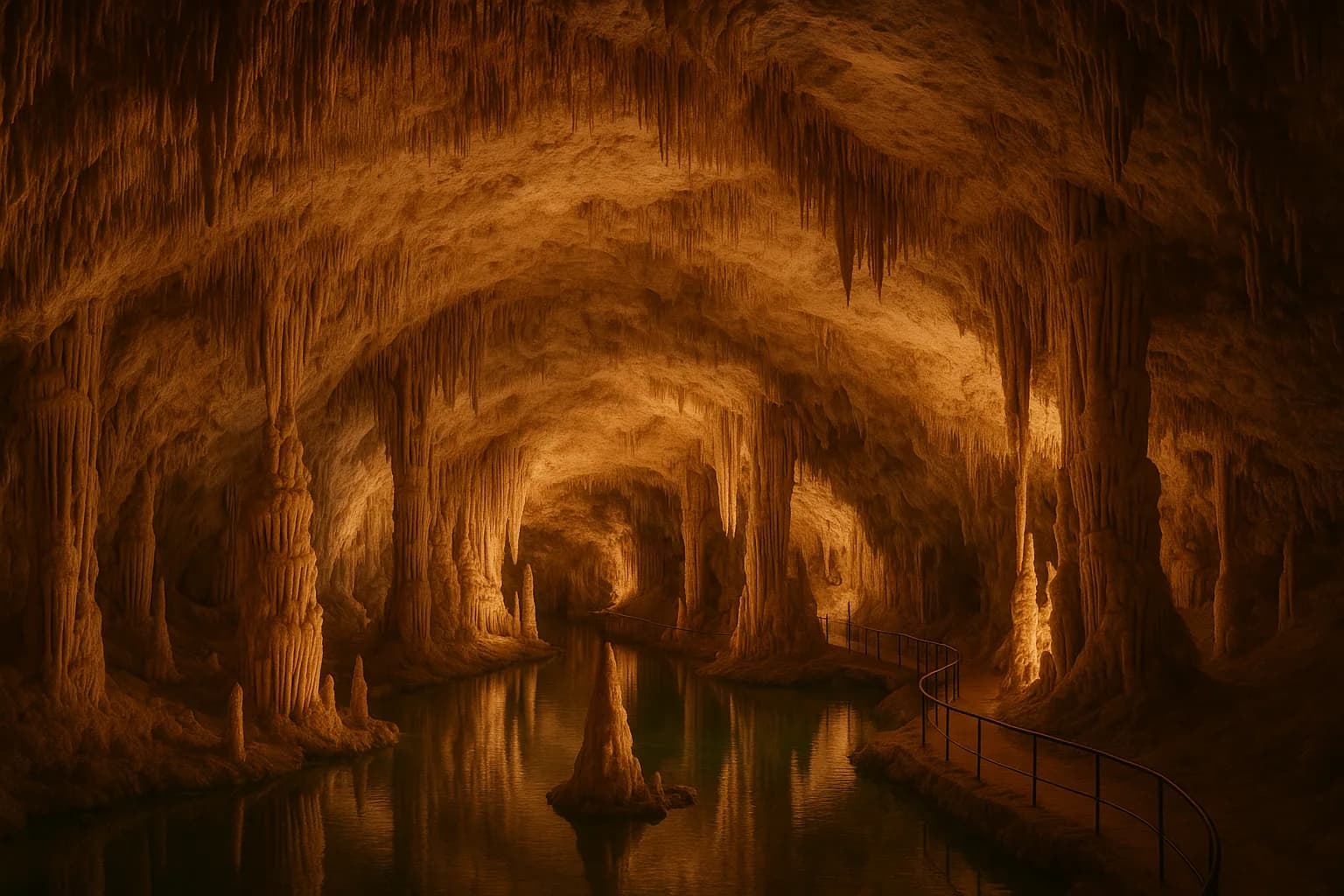 ✓
✓Caves of Hams
Limestone cave near Porto Cristo with underground lake, light show and short concert in the Blue Cave. The cave tour is about 1 hour. Family-friendly alternative to the big Drach caves, less mass tourism, smaller concert halls.
South
12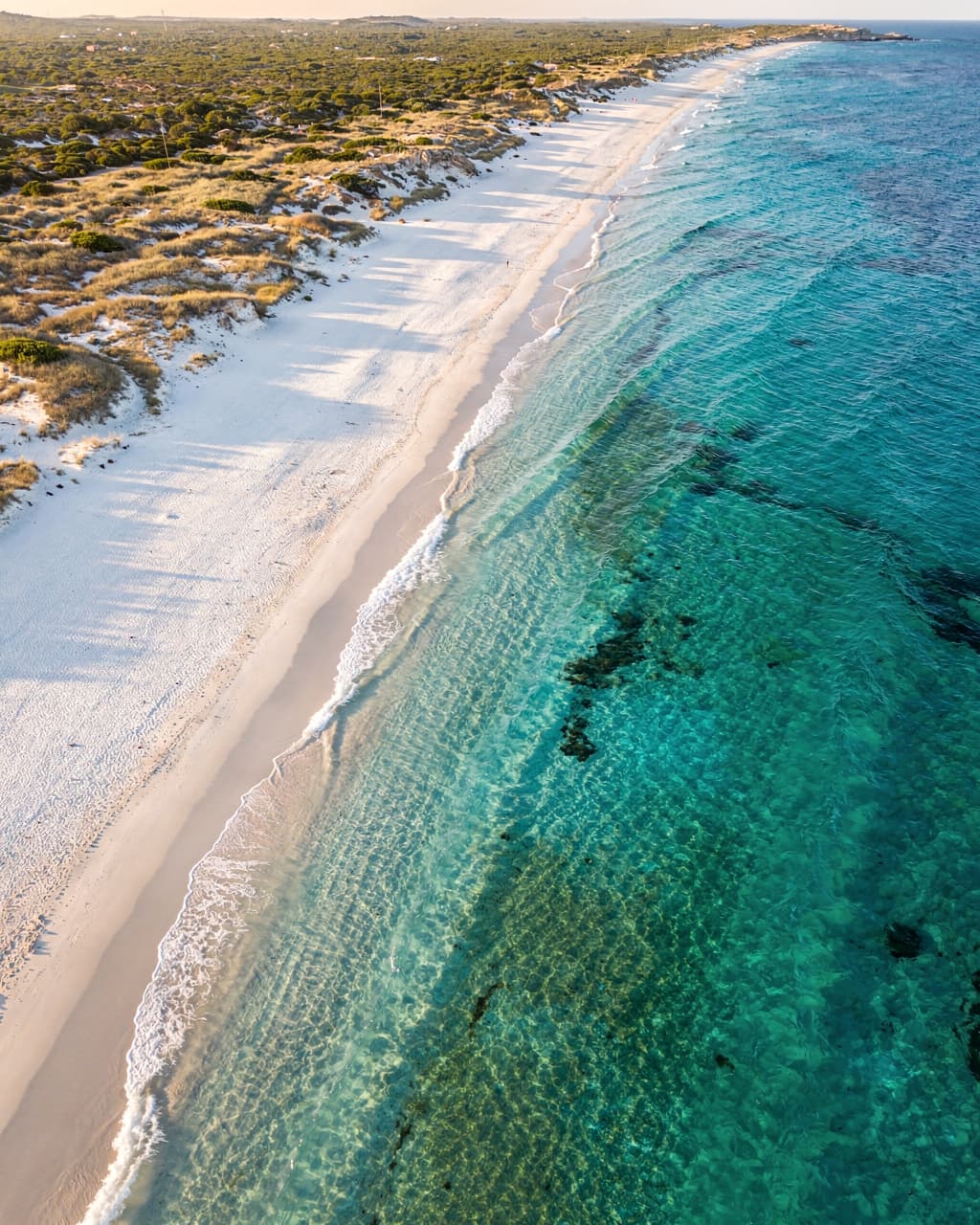 ✓
✓Es Trenc
Dune landscape in the south, almost two kilometers of fine white sand, turquoise water. Looks Caribbean, but empty in May and October.
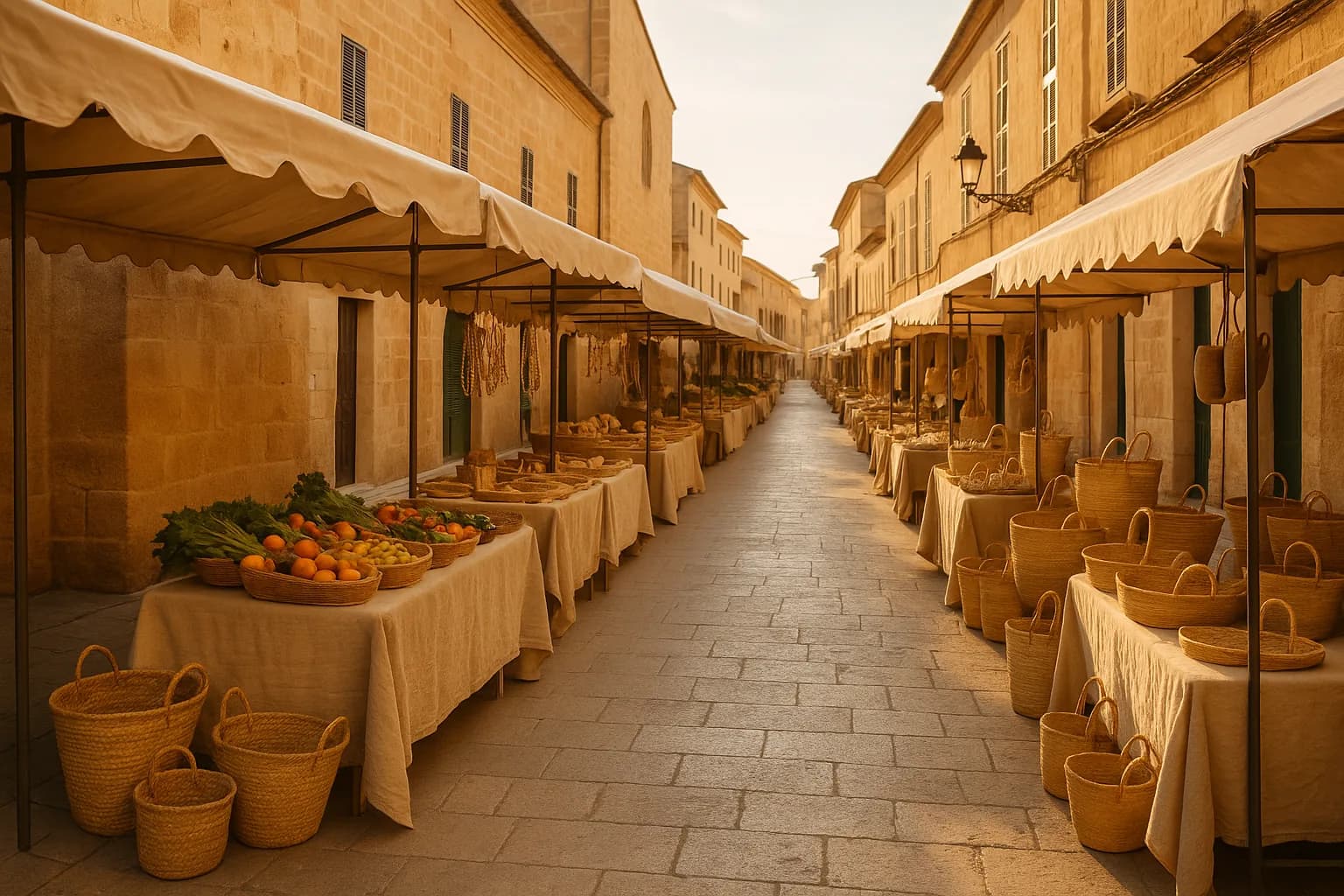 ✓
✓Santanyí
Saturday market in the southeast, the most popular market for visitors. Crafts, ceramics, local honey. Then Cala Santanyí cove in 5 minutes.
 ✓
✓Es Trenc Salt Flats (Flor de Sal)
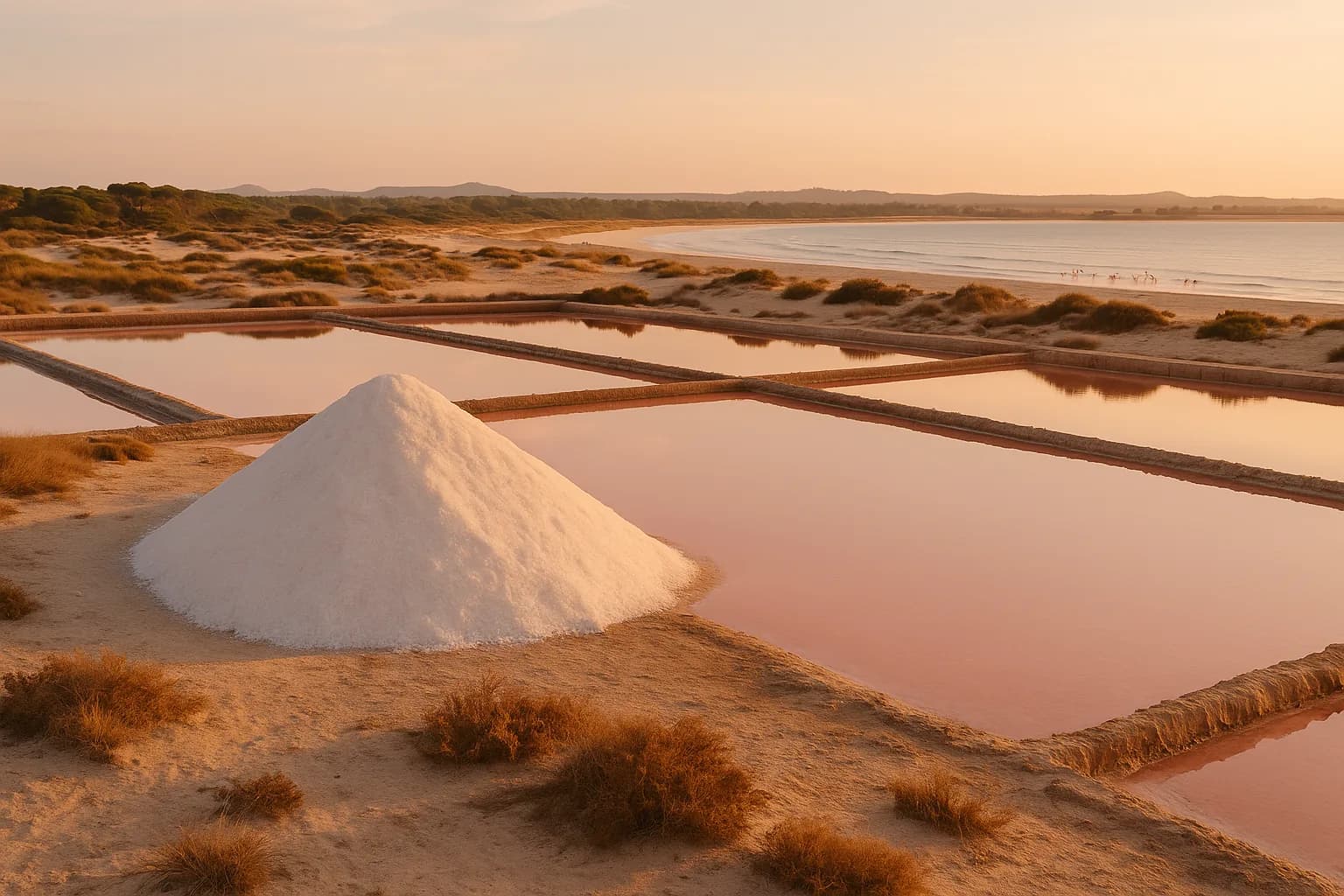
Active salt flats next to the beach, pink water in summer, flamingos in winter. Tours and the famous Flor de Sal to take home.
Cala Figuera
Fishing harbor in two Y-shaped coves, colorful llaut boats, wooden boat garages right on the water. No beach, but one of the few coastal places with a real building height limit.
Cala Llombards
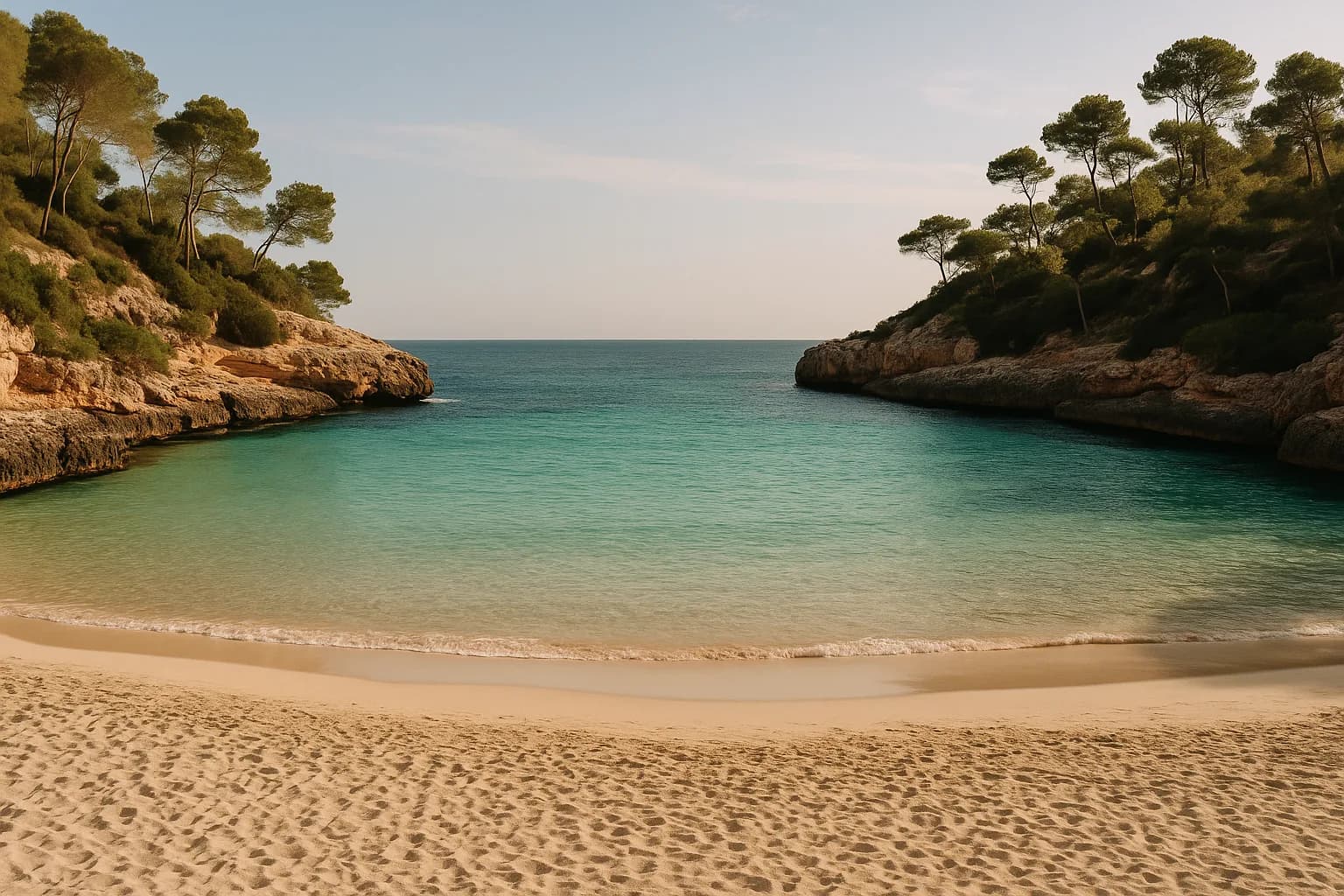
Sandy cove 55 meters wide, between rocks with pines. Around 100 free parking spaces right at the beach. Tourist-wise still manageable compared to the overcrowded coves nearby.
Cap de ses Salines
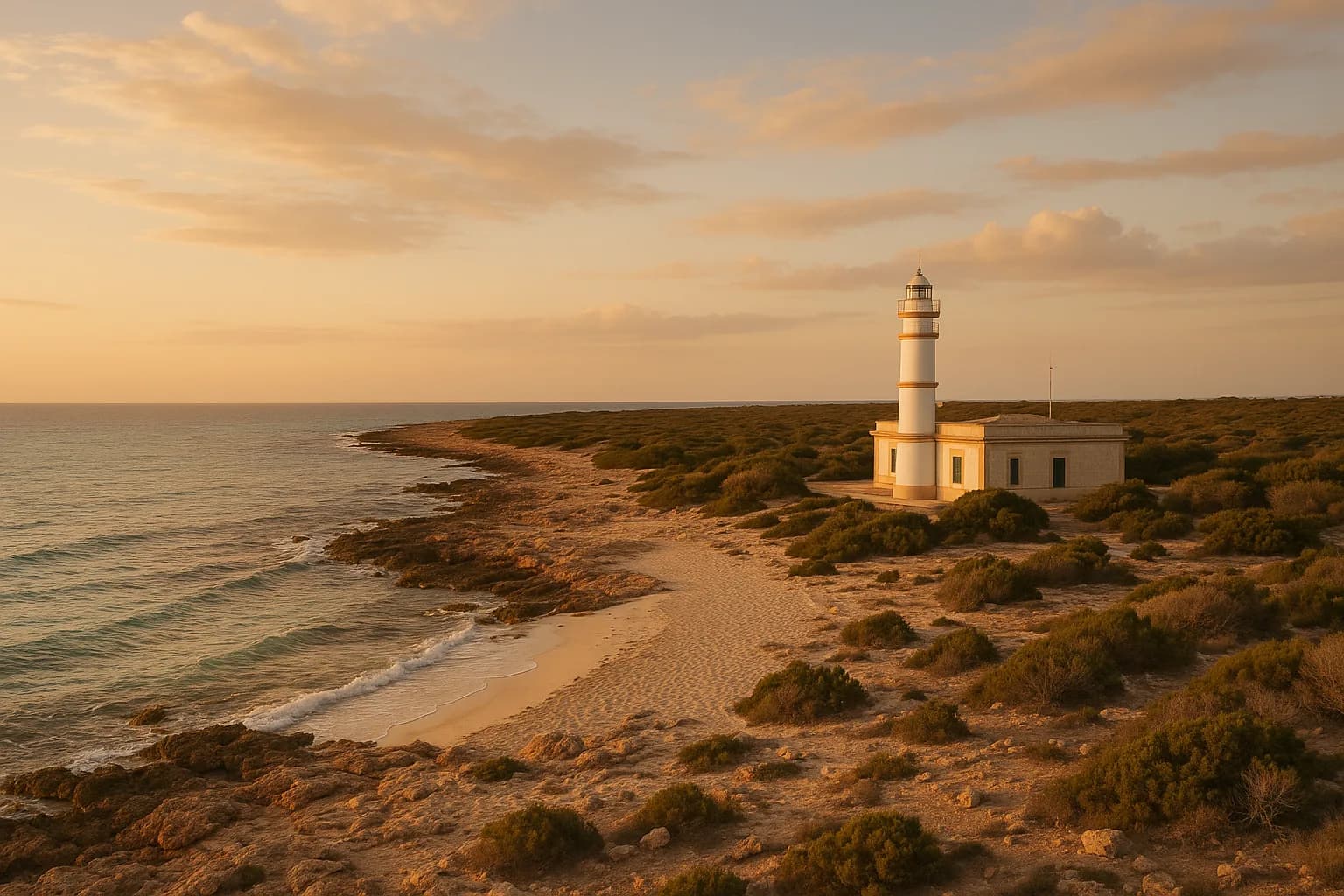
Southernmost point of Mallorca. Lighthouse from 1863, view as far as Cabrera, barely any vegetation, lots of wind. Starting point for the wild coastal hike to Cala Màrmols.
Colònia de Sant Jordi
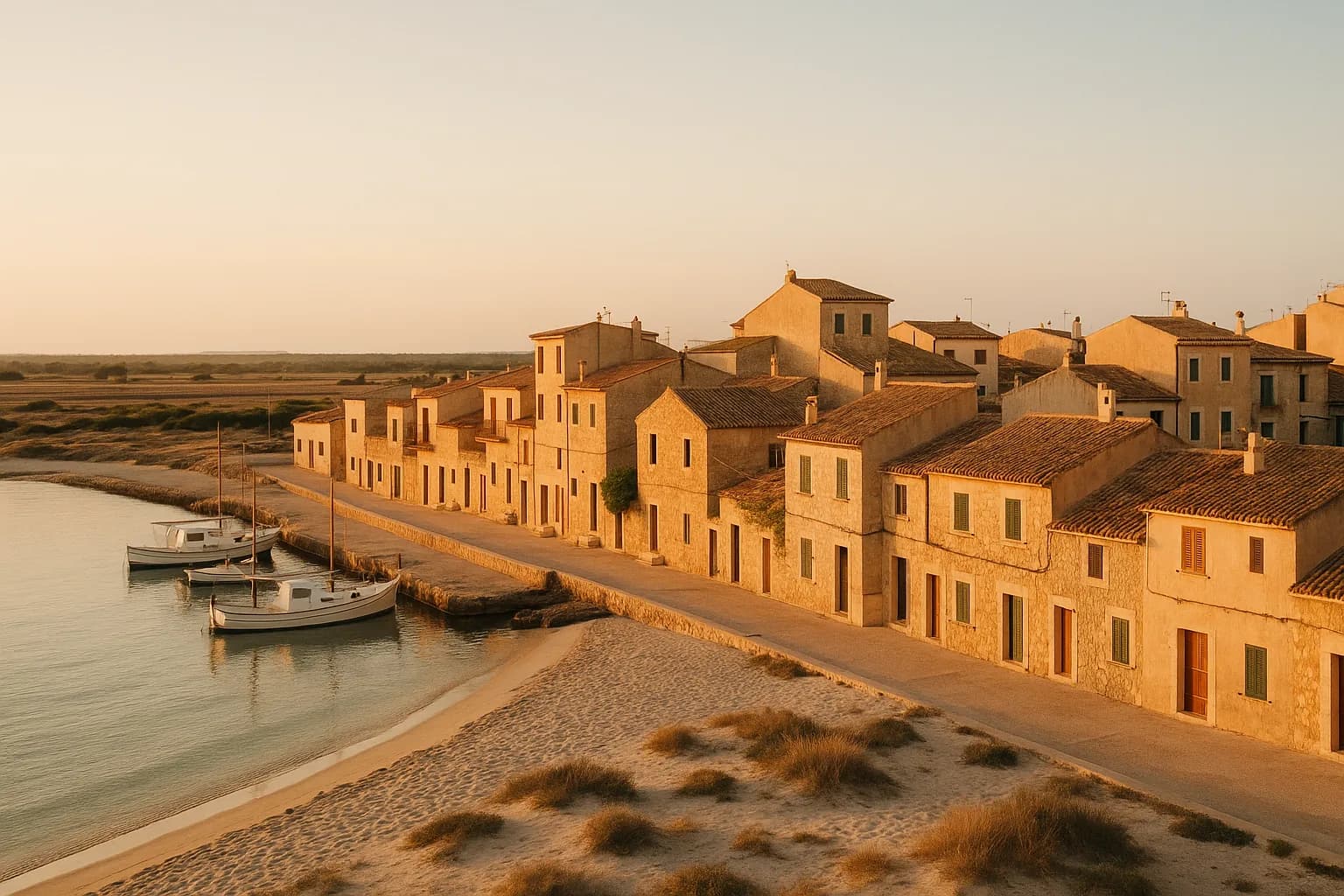
Harbor town on the south coast with boats to Cabrera, four beaches of its own and salt pans around it. Around 2,900 residents, half that in winter.
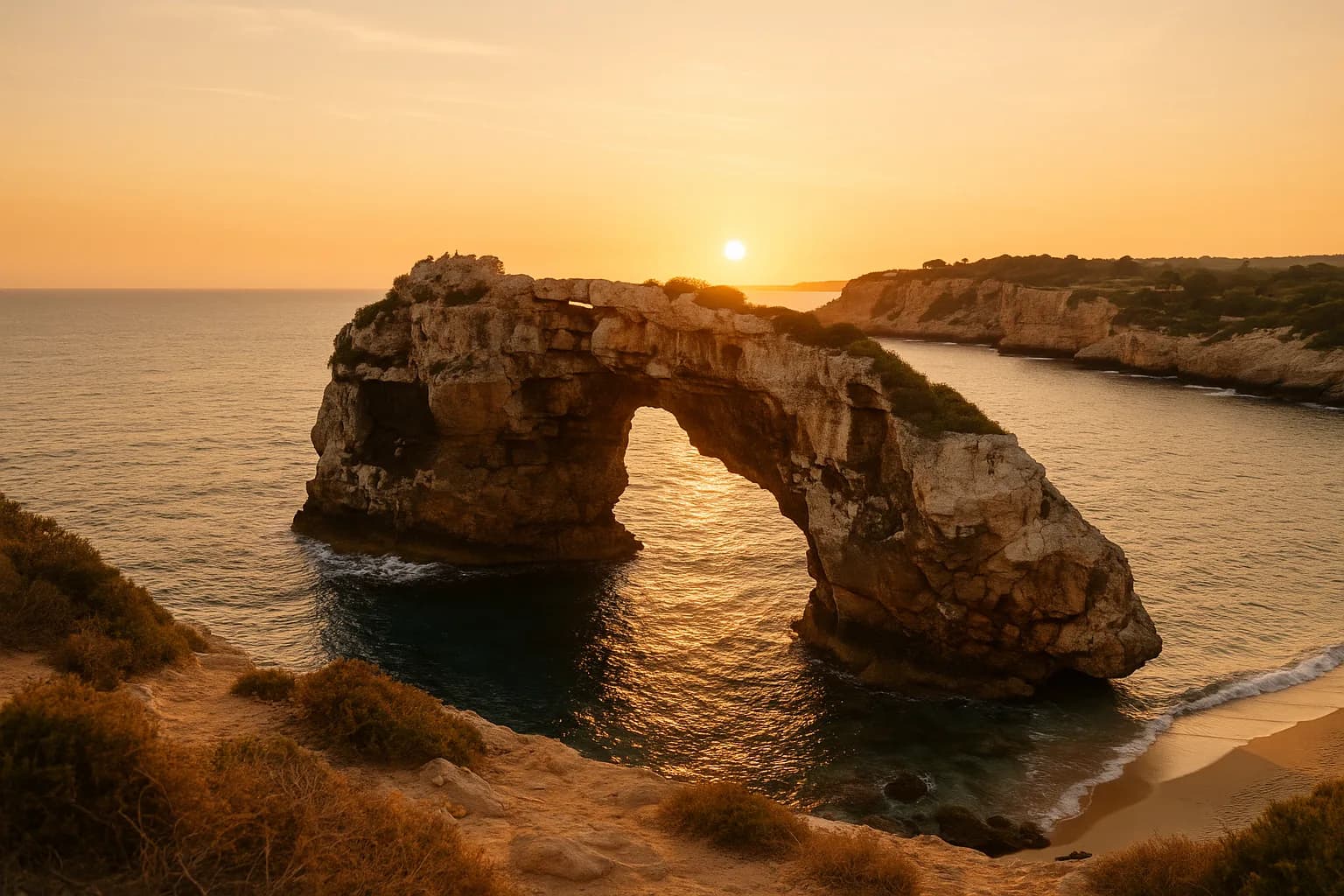
Mirador Es Pontàs
Viewpoint over a 20 meter tall natural rock arch off the coast between Cala Santanyí and Cala Llombards. Popular at sunrise and sunset.
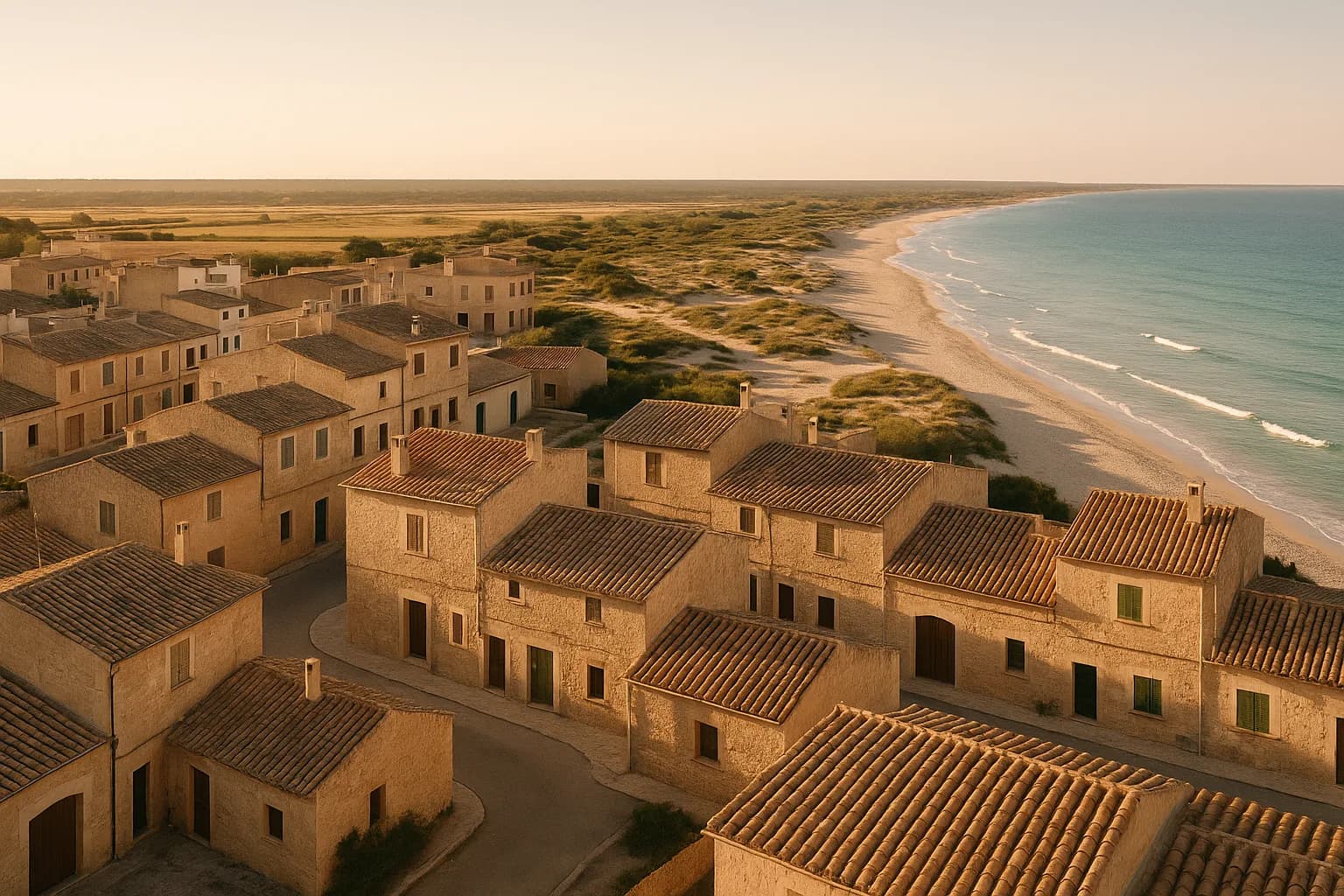
Sa Ràpita
Marina village 39 km south of Palma, the western access to Es Trenc. Around 900 residents, no high-rises, a yacht harbor with 475 berths. Almost empty in winter.
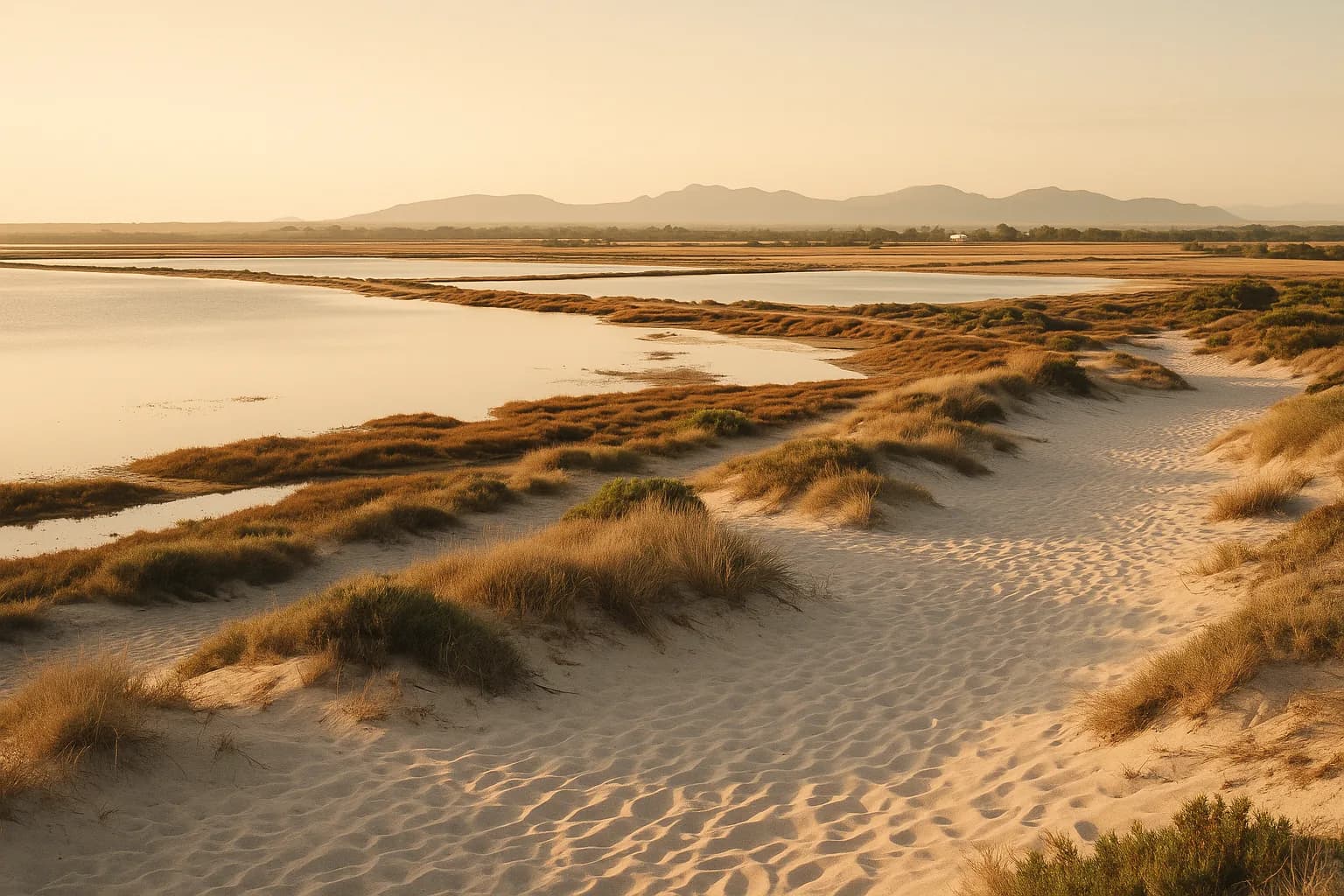
Salobrar de Campos (Bird Reserve)
172 hectares of salt lagoons between Campos and Colònia de Sant Jordi. Around 300 flamingos and 170 other bird species. Observation points along the road, no admission fee.
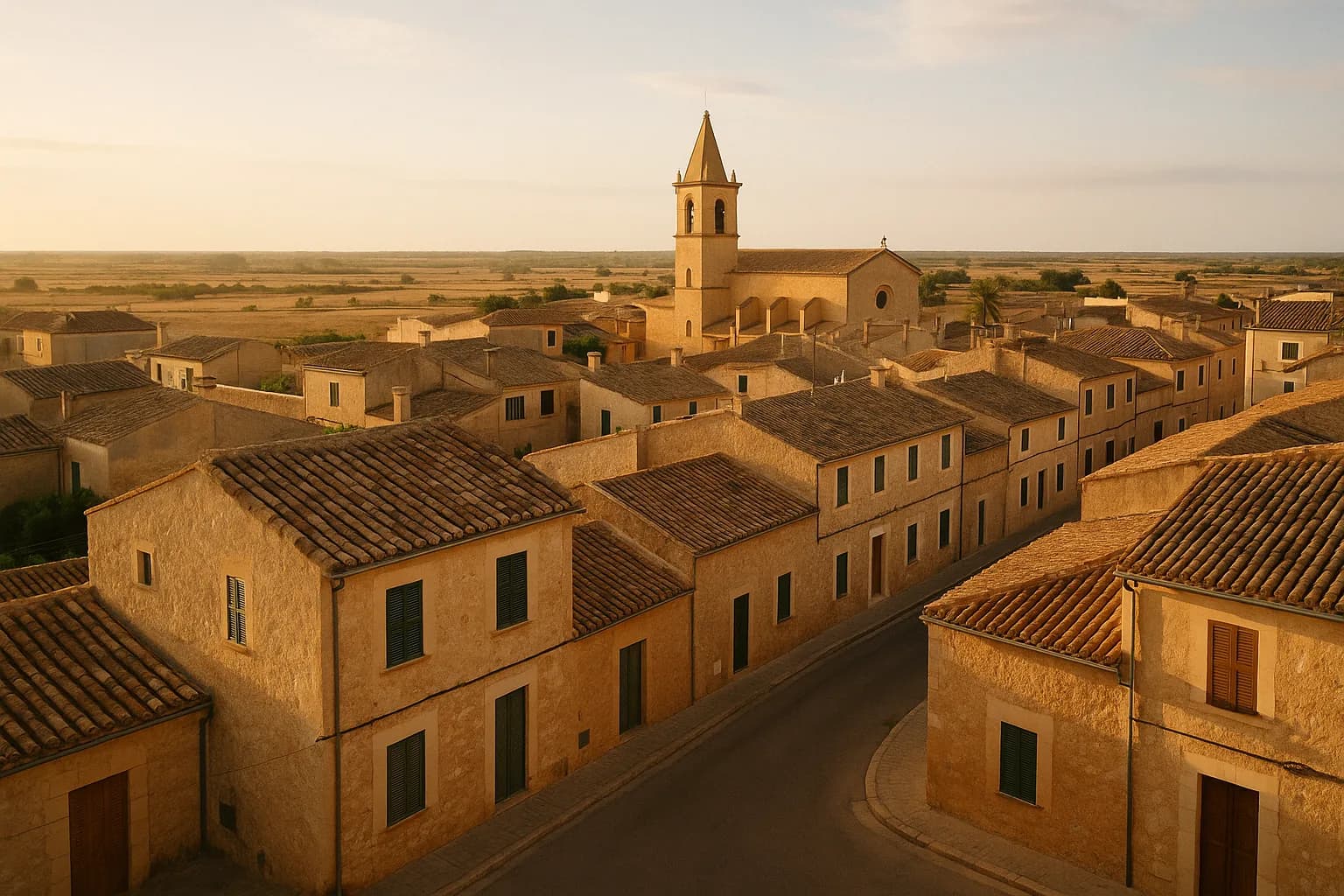
Ses Salines
Sleepy salt village between Santanyí and the coast. One large church, one square, lots of cats. If you want quiet instead of a program, stay here.
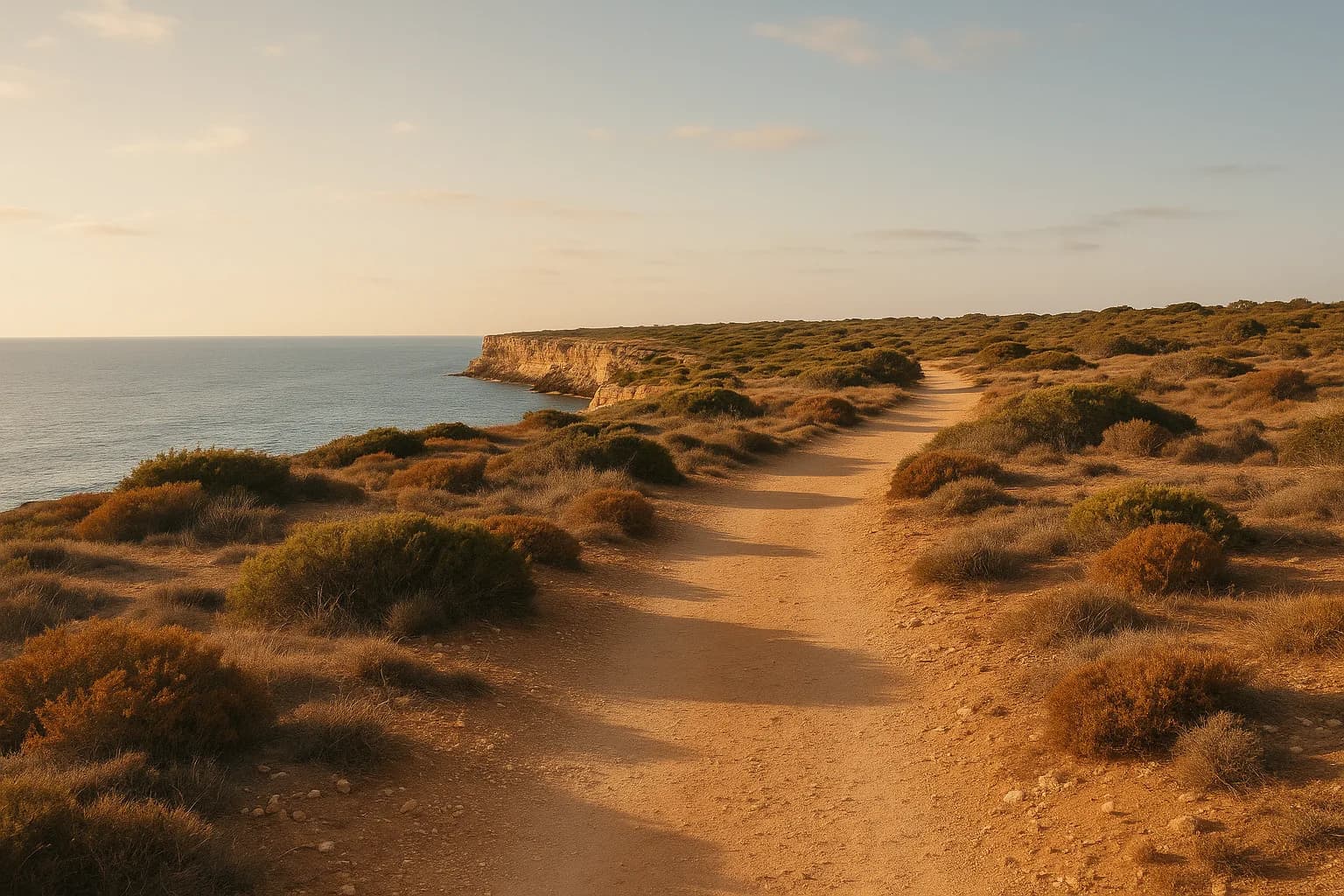
Coastal Hike Cala Pi to Cap Blanc
12.5 km flat coastal hike along the cliffs of Llucmajor. Start at Cala Pi with watchtower from 1663, destination the Cap Blanc lighthouse from 1863. Doable year-round.
Interior
9Petra (Junípero Serra)
Quiet farming village in the Pla, birthplace of Junípero Serra, founder of the California missions. Birth house as a museum, old wine cellars, zero beach tourism.
Inca (Thursday Market & Cellers)
Third-largest town on the island, leather hub, every Thursday the biggest weekly market in Mallorca. Then lunch in one of the old wine-cellar restaurants.
Gordiola Glass Factory
Glassblowing workshop since 1719 on the Palma-Manacor road. You watch the craftsmen blow glass, upstairs a rambling glass museum. Free entry, no pressure to buy.
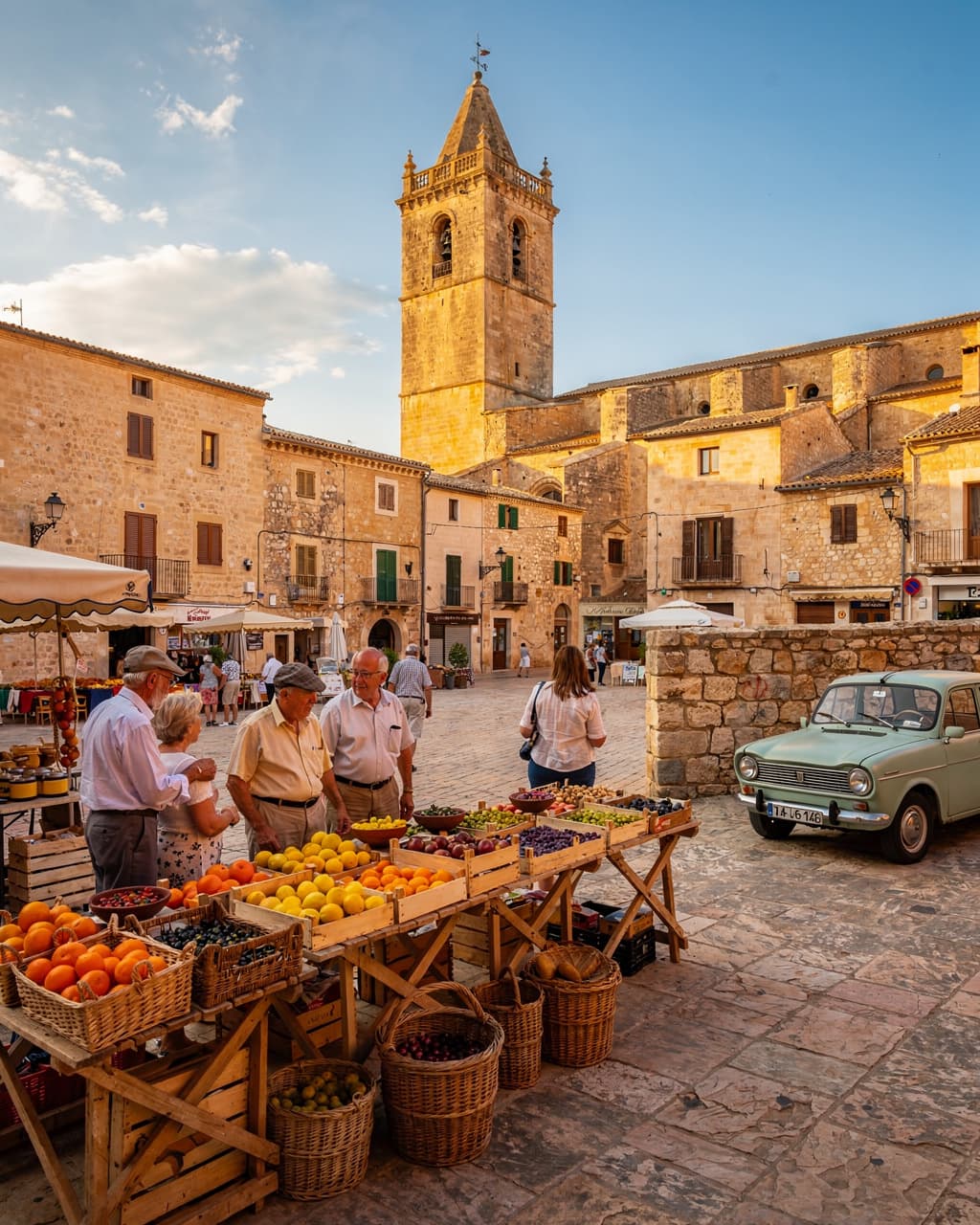 ✓
✓Sineu
Wednesday market in the interior since 1306. No tourist souvenirs, actual vegetables, sheep, plants, cheese. Start at half past six.
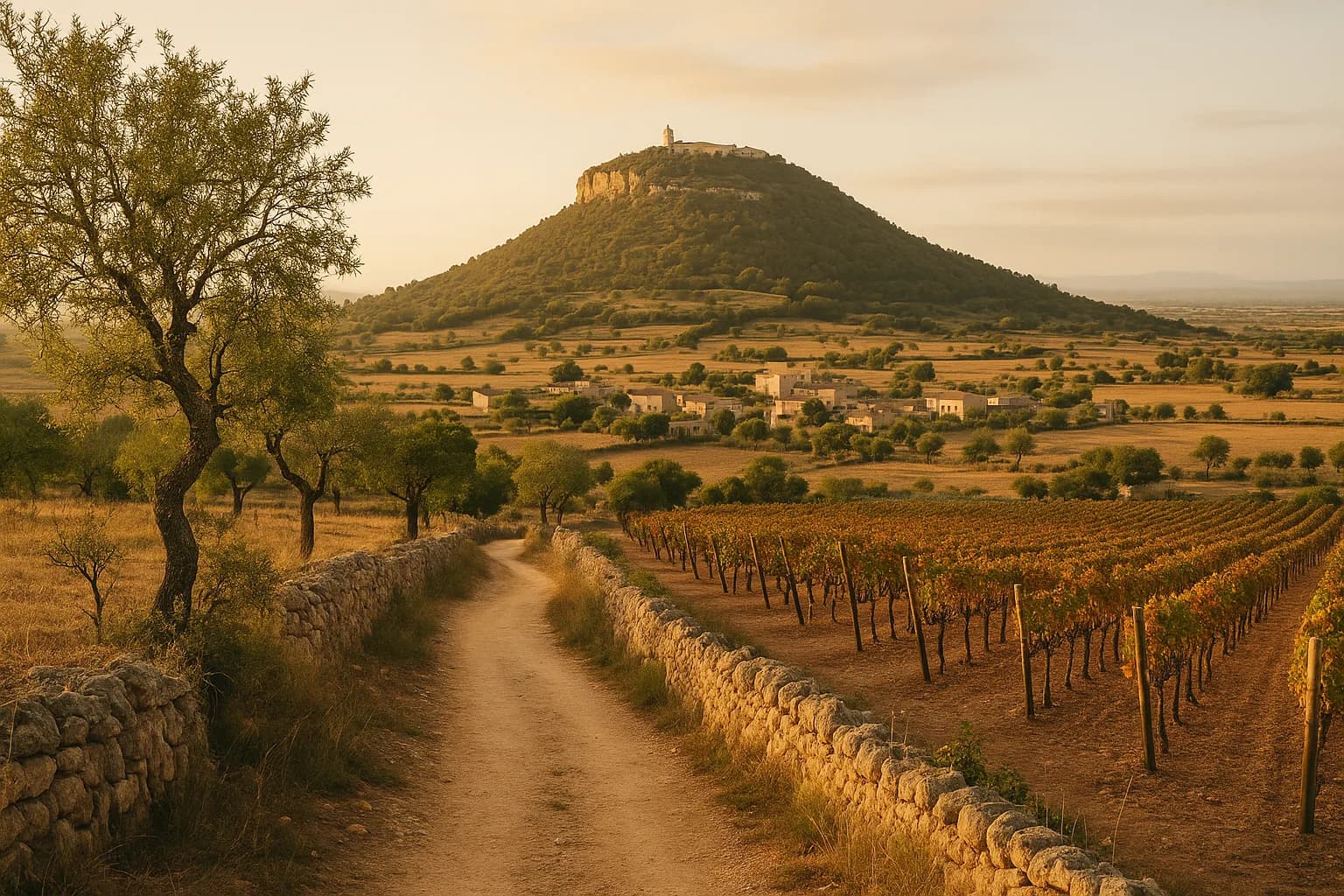 ✓
✓Puig de Randa
Table mountain in the middle of the island with three monasteries and 360-degree views. Easy hike or driveable.
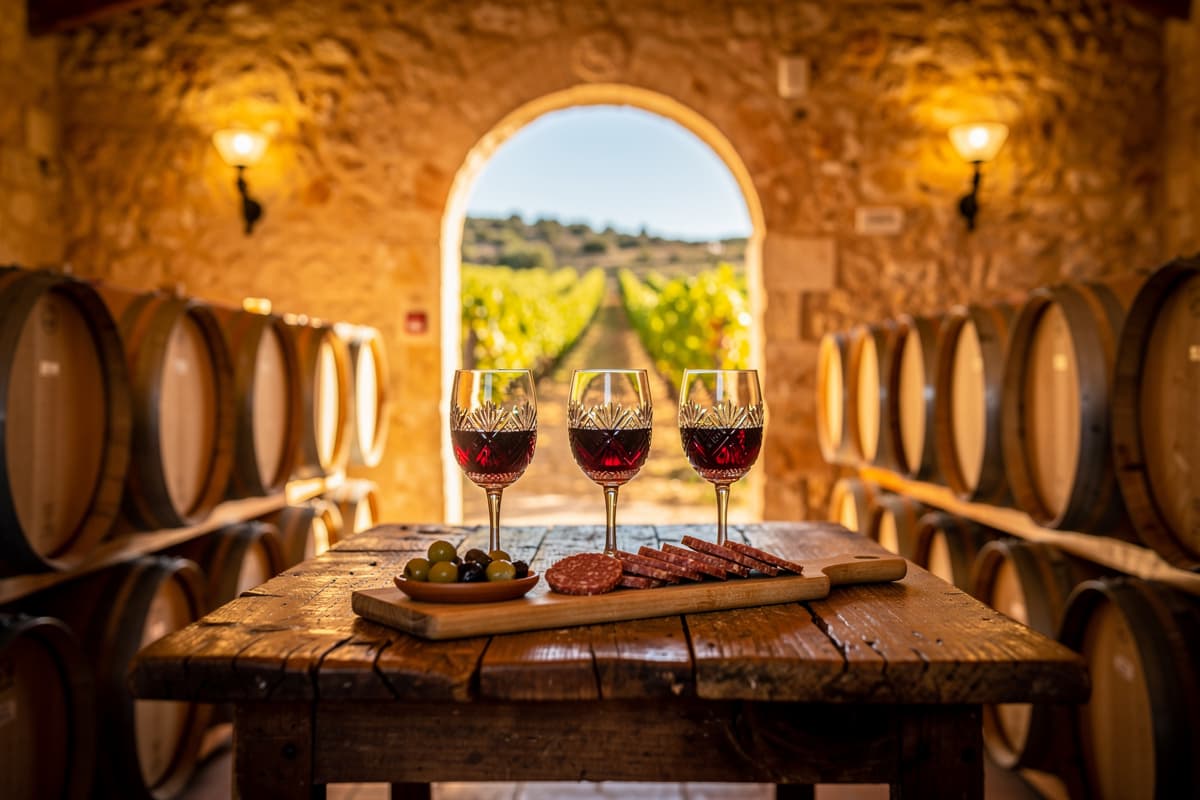 ✓
✓Bodega Macià Batle
Largest bodega in Binissalem. Wine tasting with production tour, art collection in the cellar, shop with all vintages.
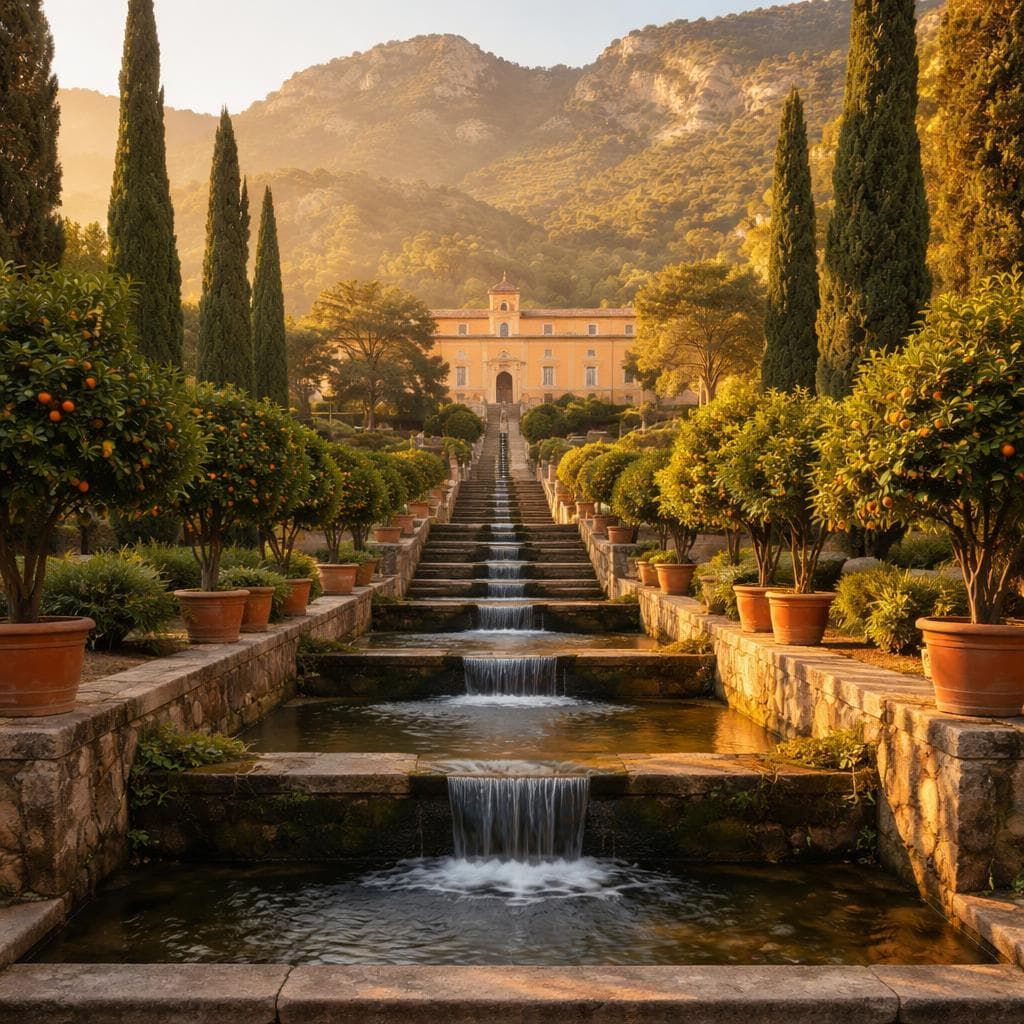 ✓
✓Raixa Gardens
Historic Italian-style garden below Bunyola. Water features, terraced descent, Tramuntana views. Free entry.
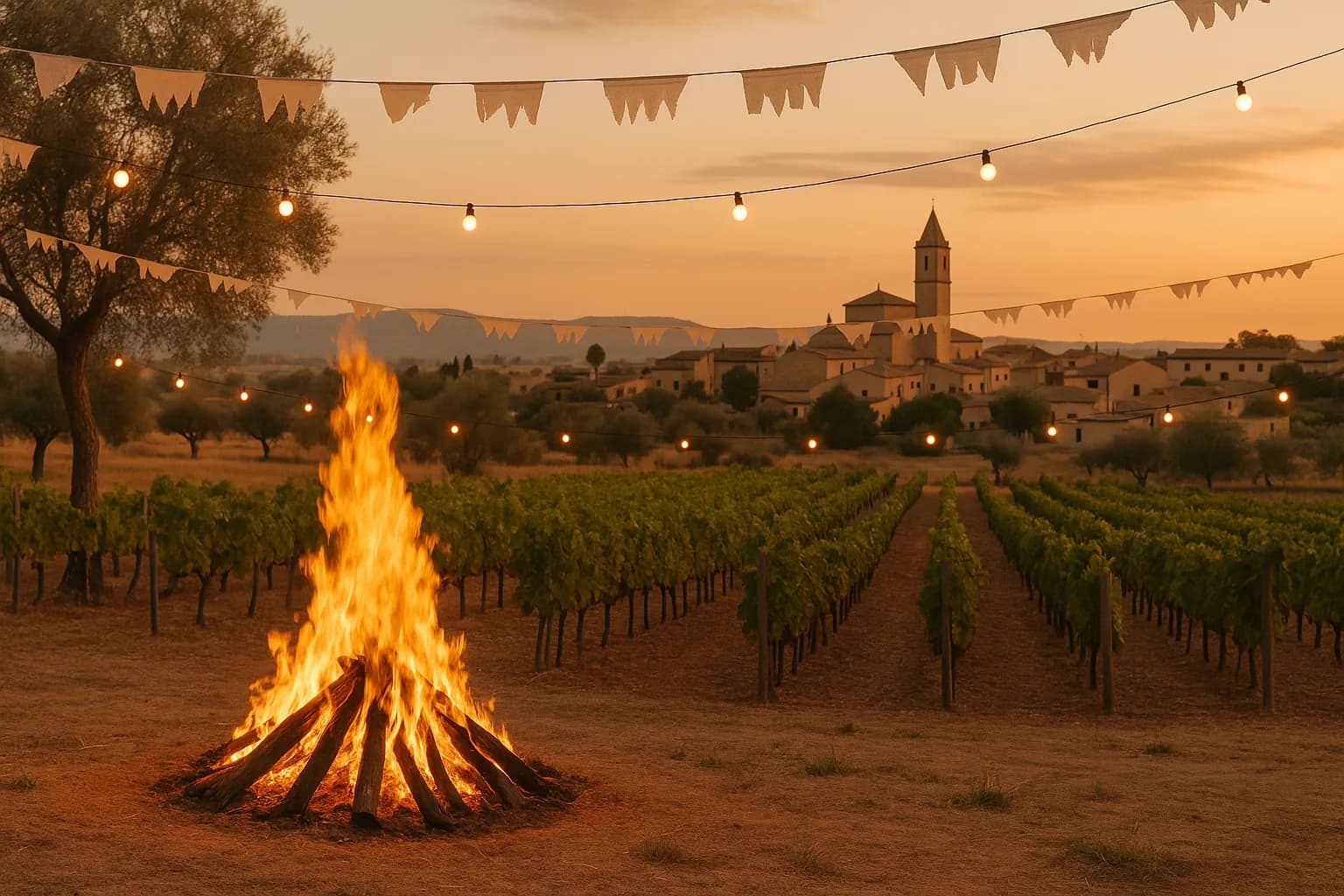
Festa des Vermar (Binissalem wine harvest)
A three-week September wine harvest festival with grape-throwing battles, grape-stomping, and the DO Binissalem wine fair on the main square.
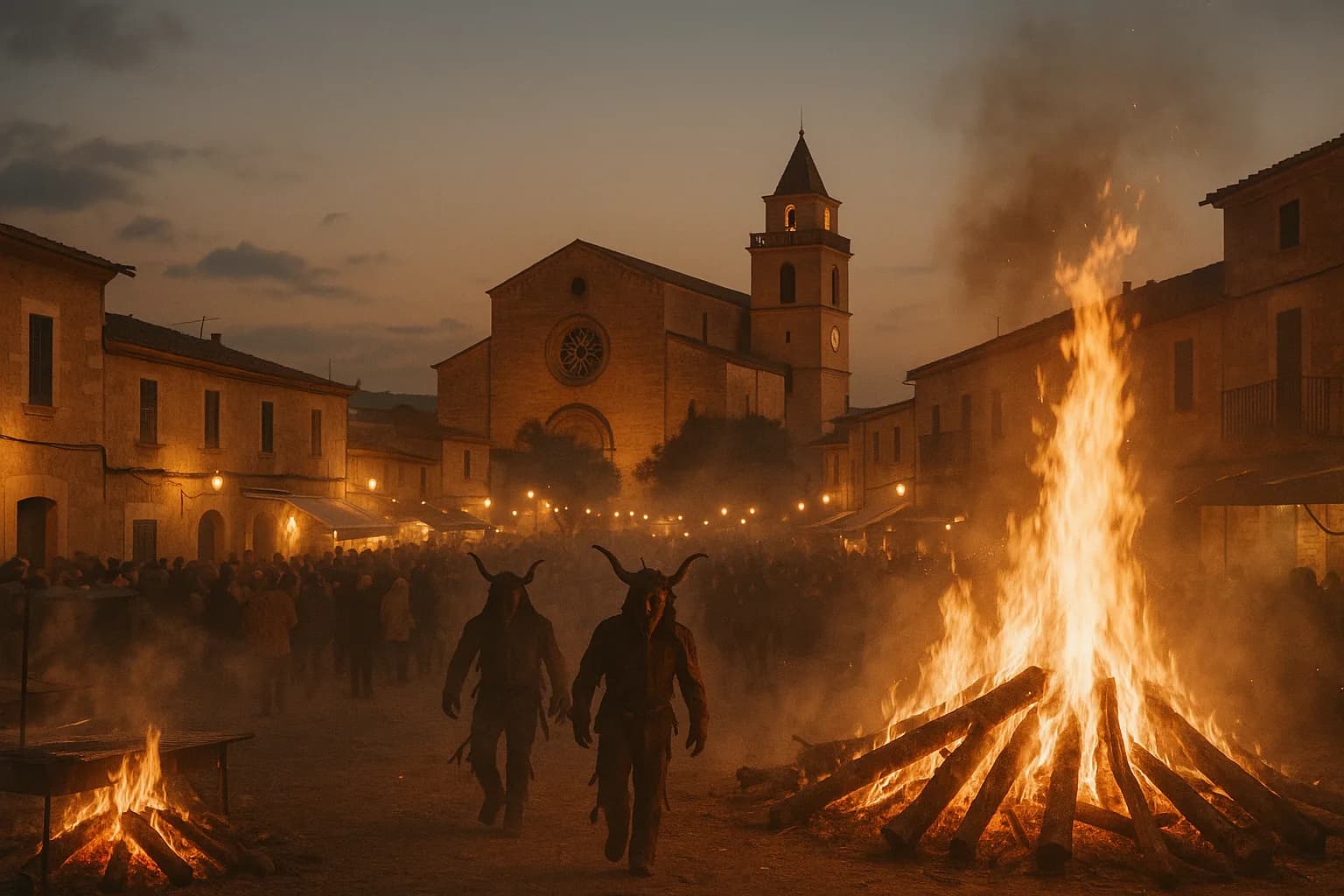
Festes de Sant Antoni, Sa Pobla
January 16-17 fire festival with bonfires, dimonis (demons) and animal blessings. The most intense Sant Antoni celebration on the island.
Palma
11✓Santa Catalina
The Palma neighborhood with the best restaurants, the Mercat de l'Olivar, and the colorful facades. All walkable.
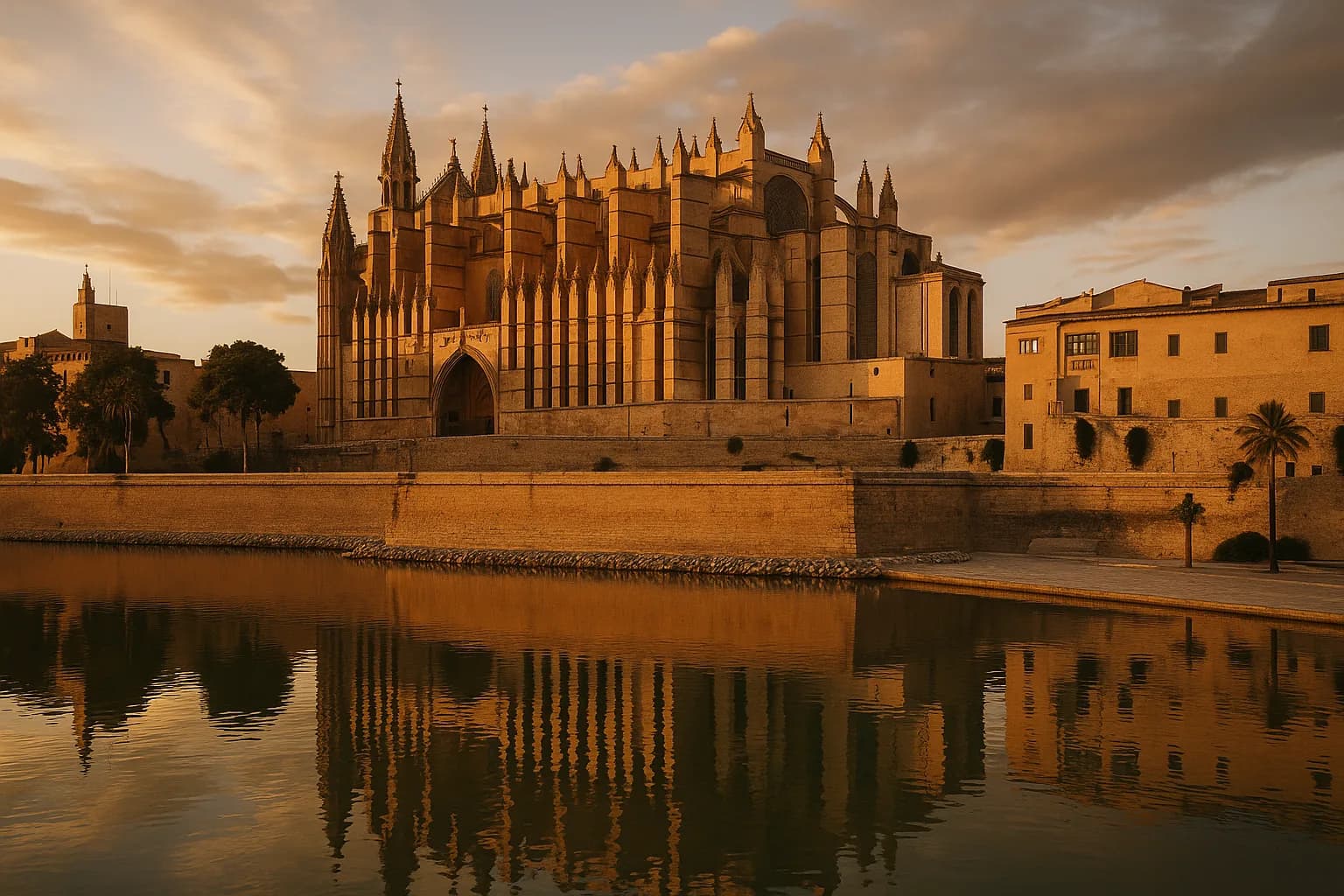 ✓
✓La Seu (Palma Cathedral)
Gothic cathedral right by the sea, one of the largest naves in Europe. In the morning light falls through the rose window onto the opposite wall.
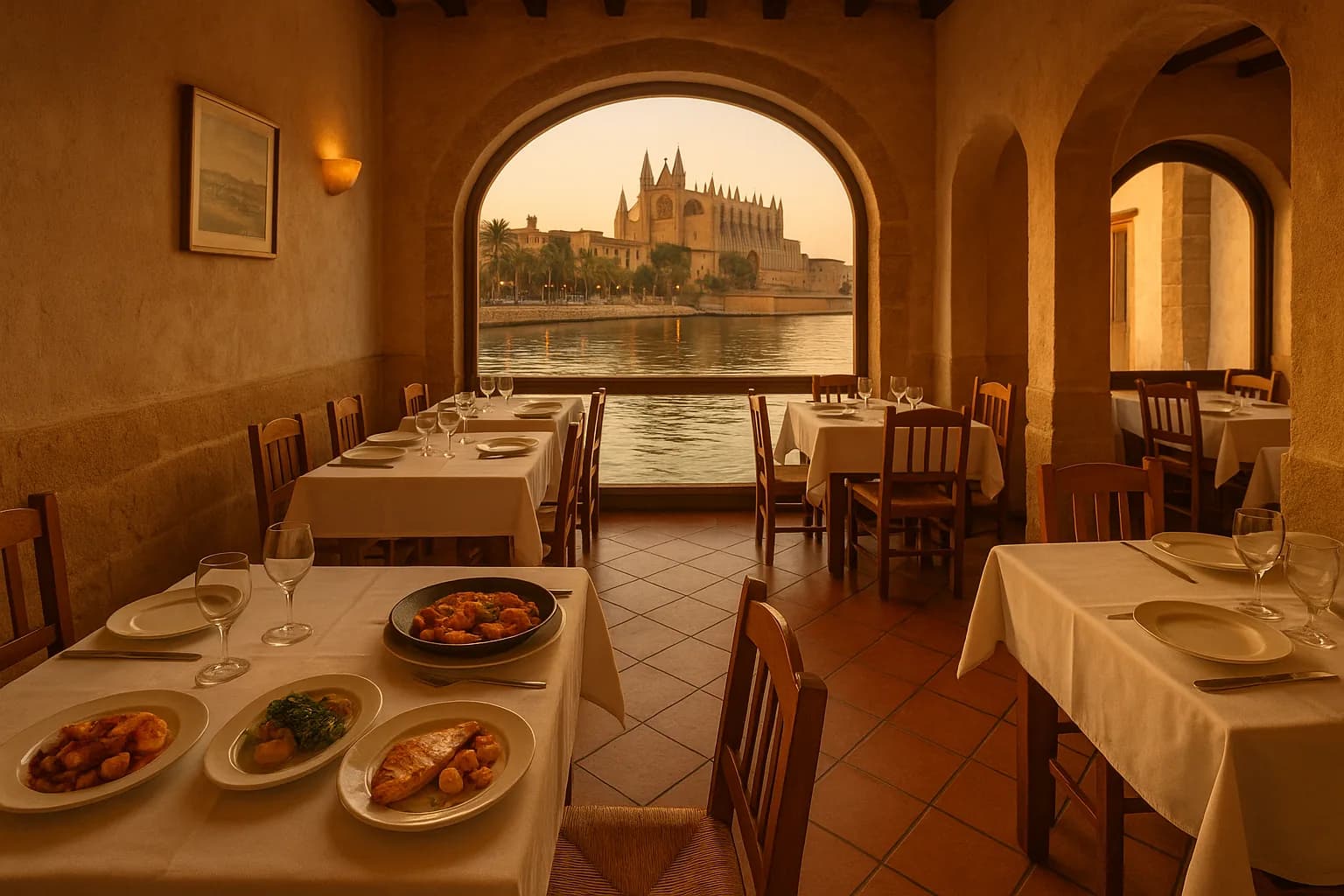 ✓
✓Ca'n Eduardo
Fish restaurant right on the Palma pier, since 1943. Daily catch, white tablecloths, water view. Book ahead.
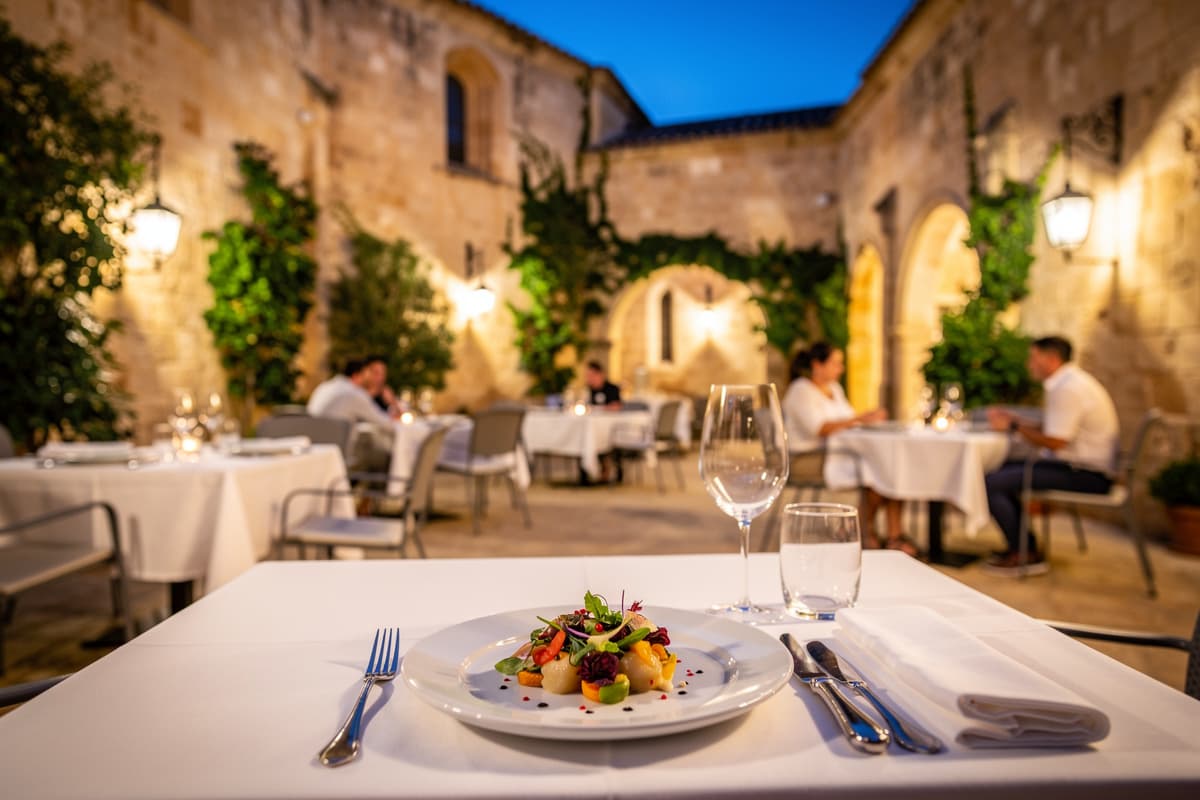 ✓
✓Marc Fosh
Michelin star in Hotel Convent de la Missió. Contemporary Mediterranean cuisine, tasting menu, quiet courtyard.
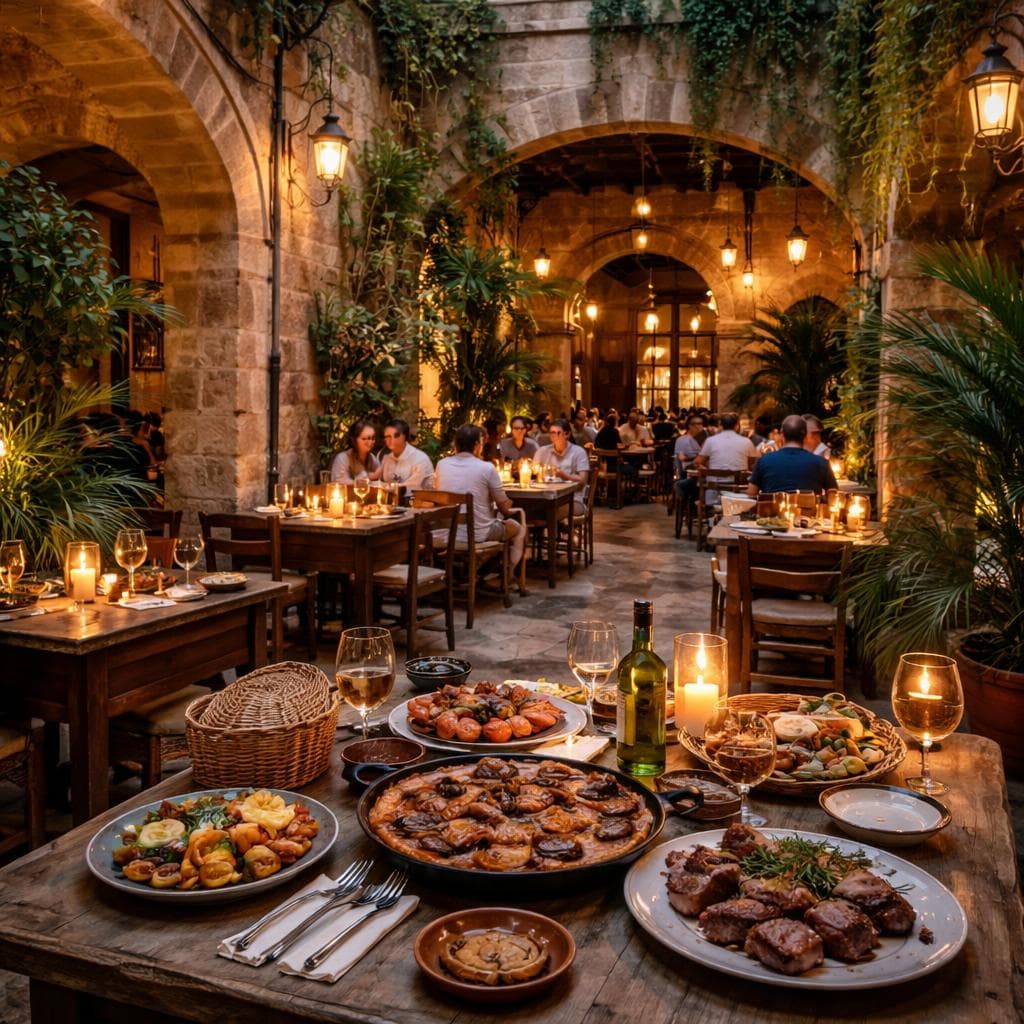 ✓
✓Forn de Sant Joan
Old bakery converted into a restaurant. Mallorcan cuisine with modern twist, beautiful courtyard, mid-range.
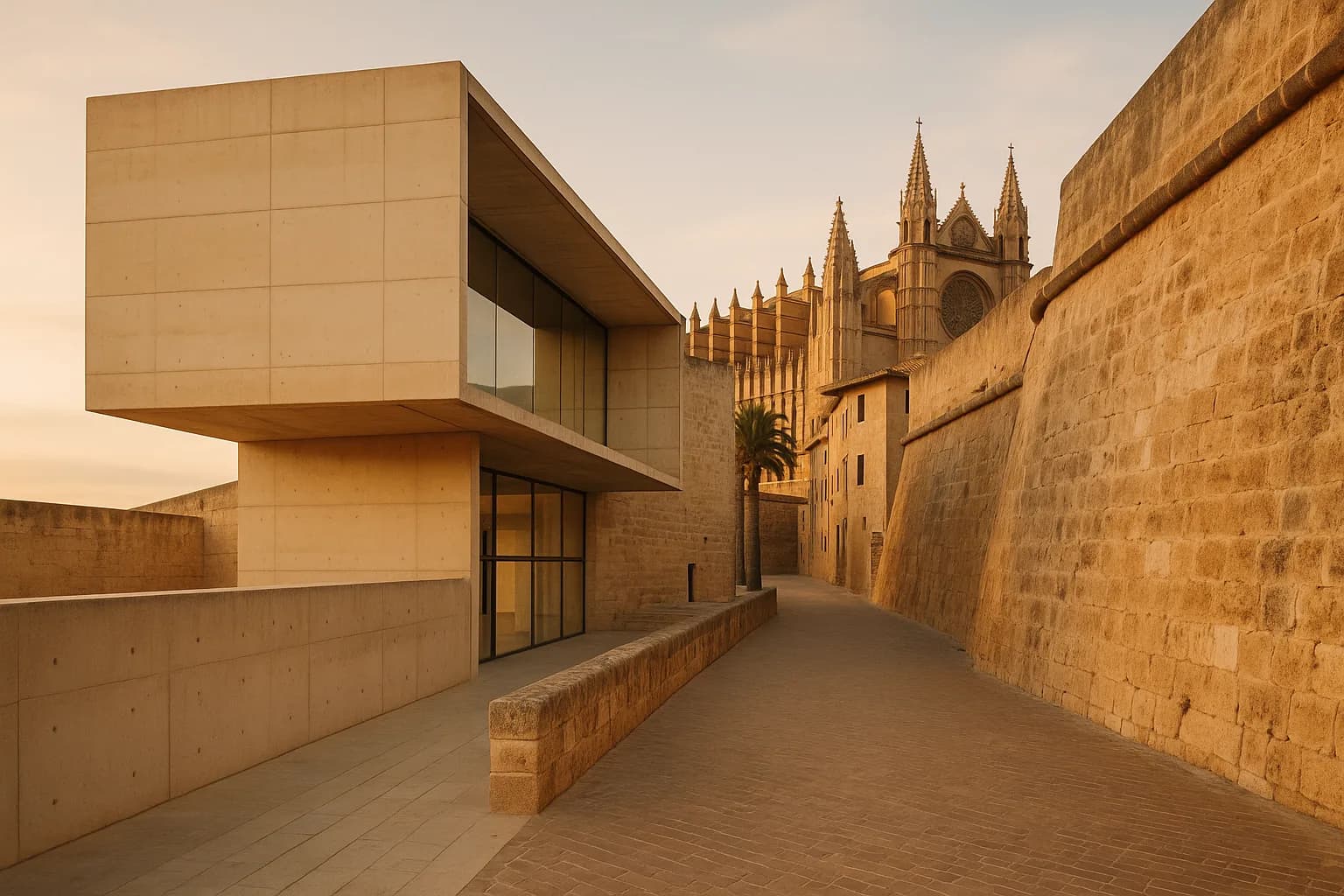
Es Baluard Museum
Modern and contemporary art museum built into Palma's sixteenth-century Sant Pere bastion. Around 700 works from Mir and Miró to Boltanski. Best terrace view in the old town.
Fundació Miró Mallorca
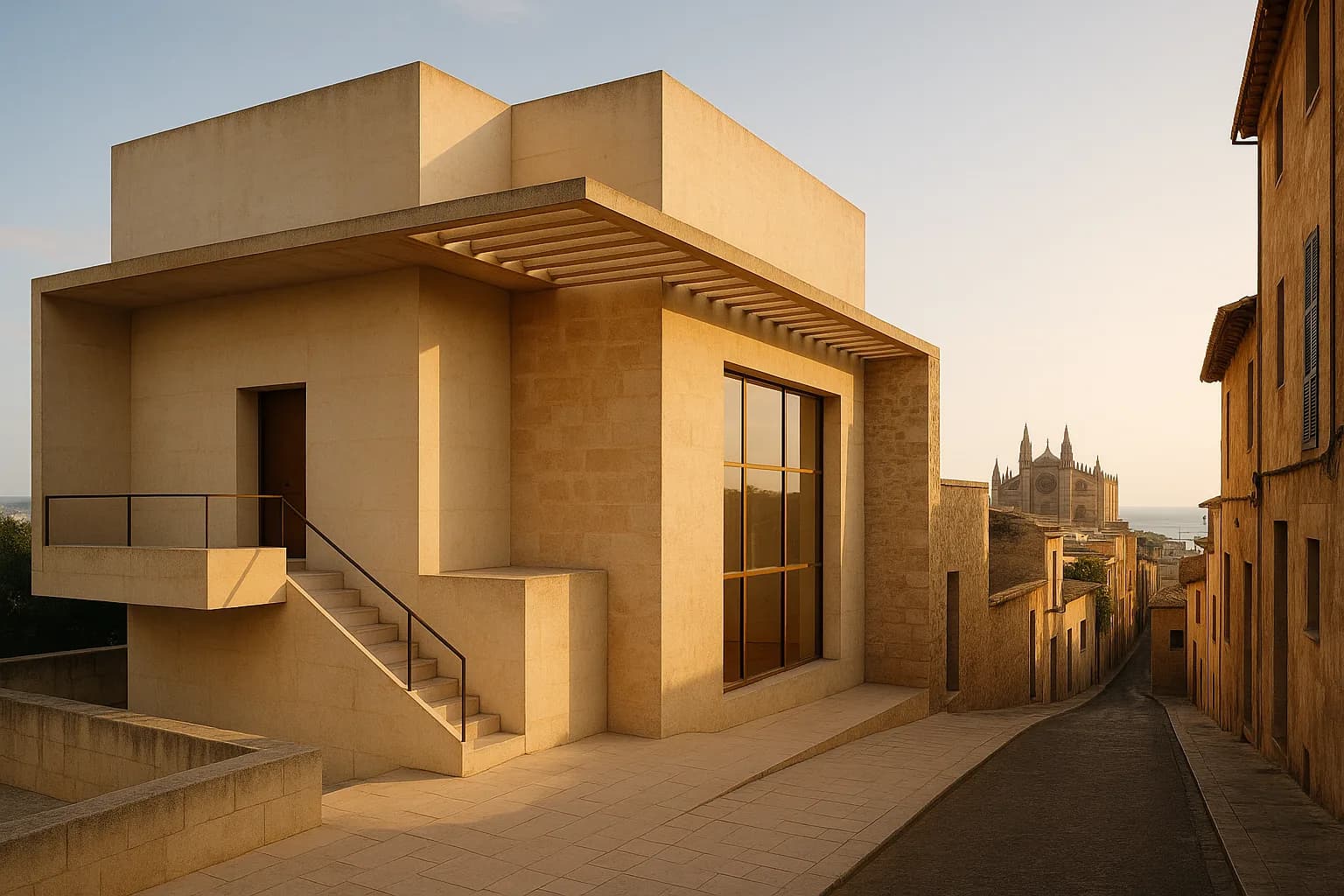
Joan Miró's preserved studios in Cala Major, Sert's 1950s workshop with paint still on the floor, plus Rafael Moneo's 1992 exhibition hall. About 6,000 works, donated by the artist.
Mercat de l'Olivar
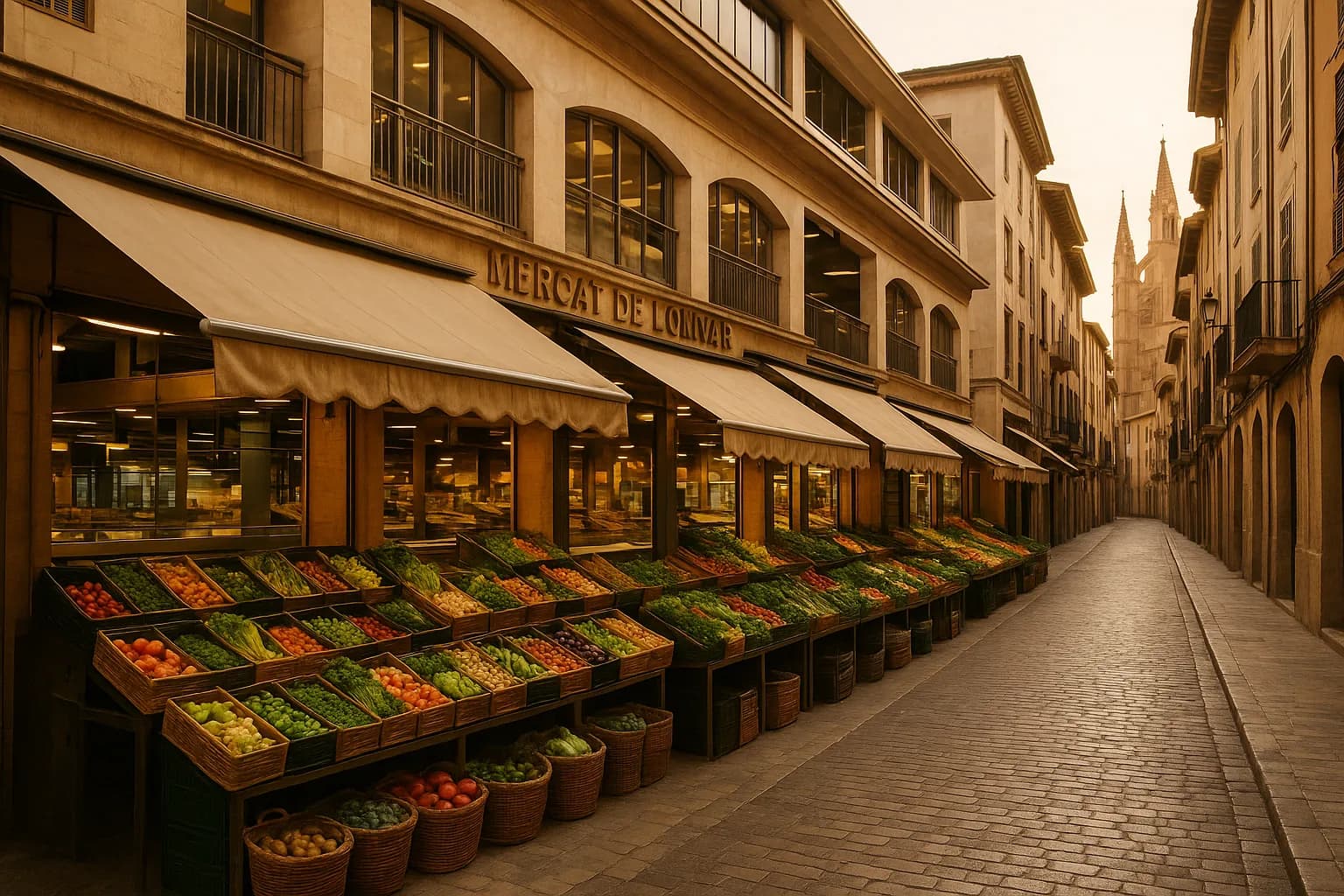
Palma's main market hall since 1951, fish, meat, cheese, olives. Open Mon-Sat from 7am, with tapas bars upstairs.
Sant Sebastia (Palma's patron fiesta)
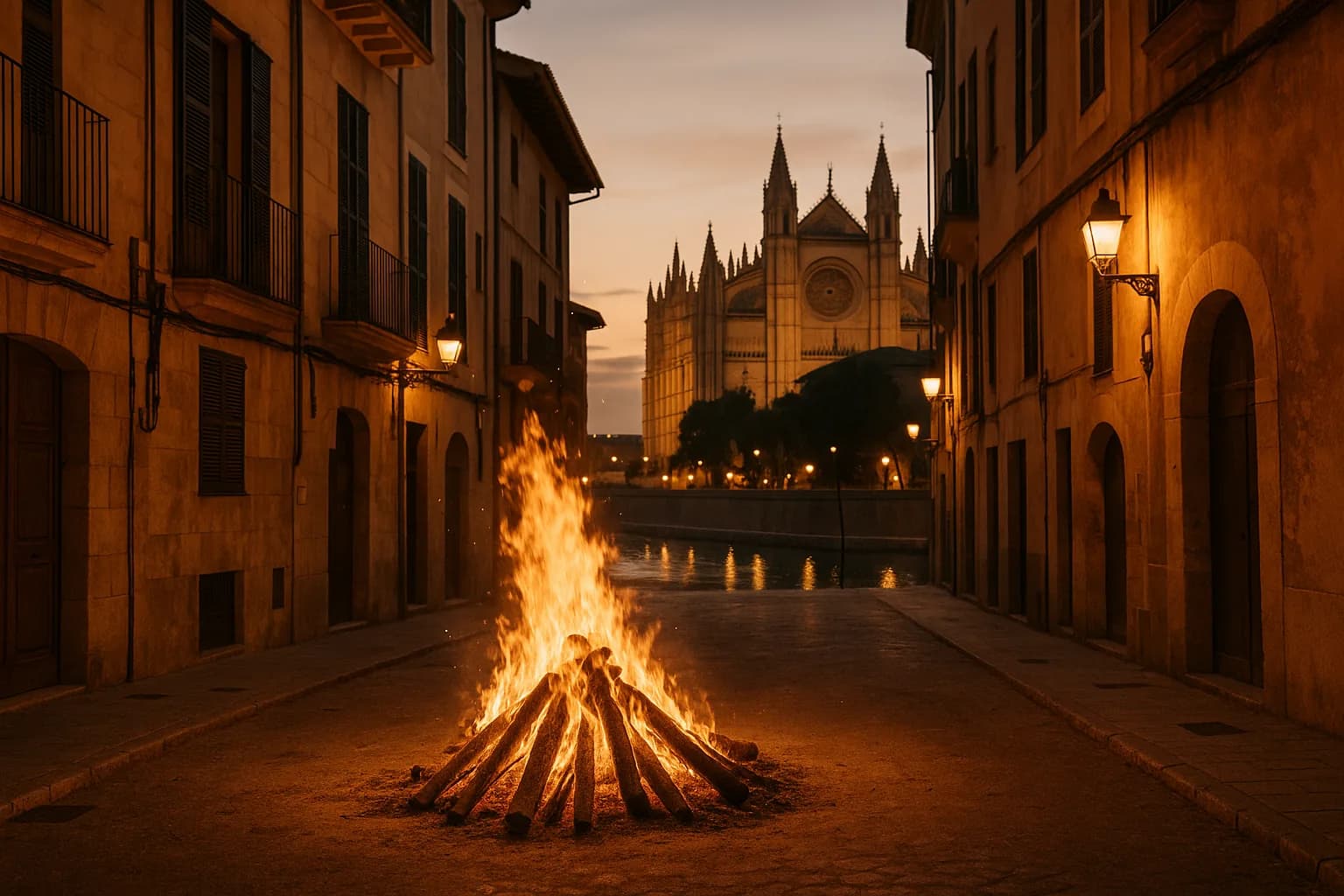
Palma's biggest fiesta, two weeks in mid-January built around bonfires, communal grilling and the correfoc parade. Peak night is January 19.
 ✓
✓Castell de Bellver
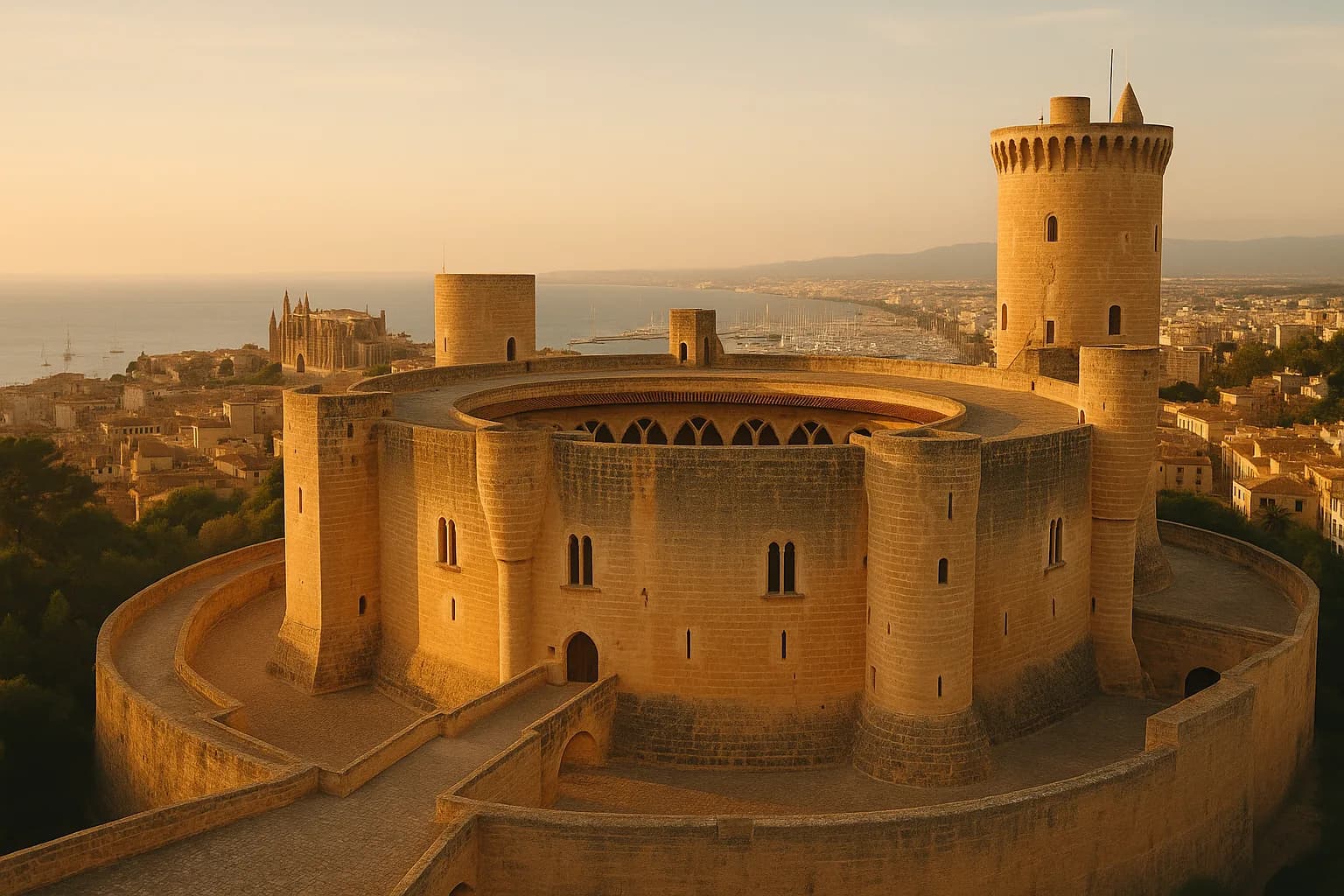
Medieval round castle on a hill above Palma, unique in Europe for its circular layout. 360-degree view over harbour, bay and Tramuntana. Entry 4 EUR adults, kids under 14 free. Free grounds entry on Sundays. Picnic lawn + playgrounds around it.
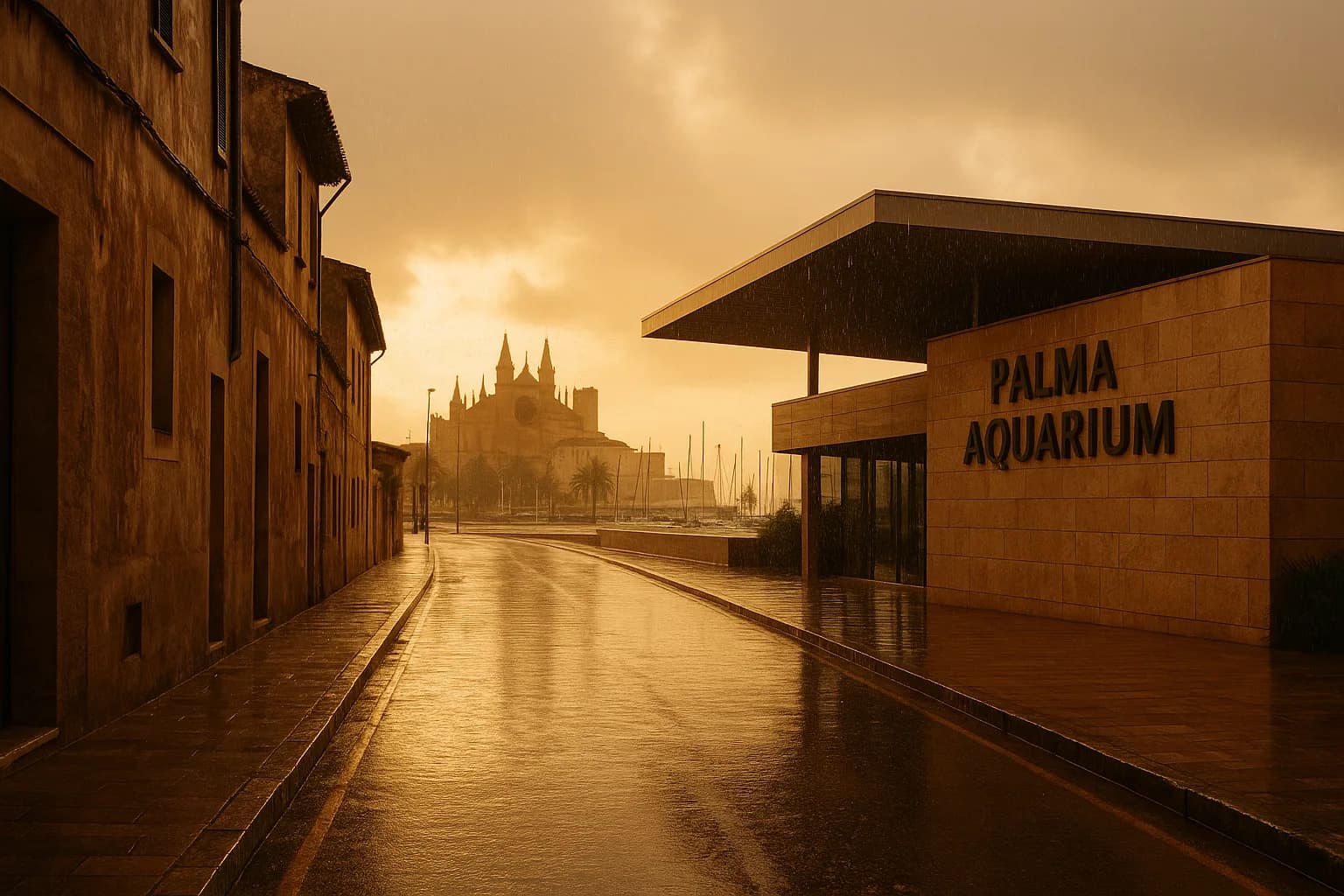 ✓
✓Palma Aquarium
Large indoor aquarium at Playa de Palma. 55 tanks, over 700 marine species, Europe's deepest shark tank (Deep Blue). The go-to destination on rainy days and a favourite family activity in Palma. 2-4 hours, outdoor area with playground.